
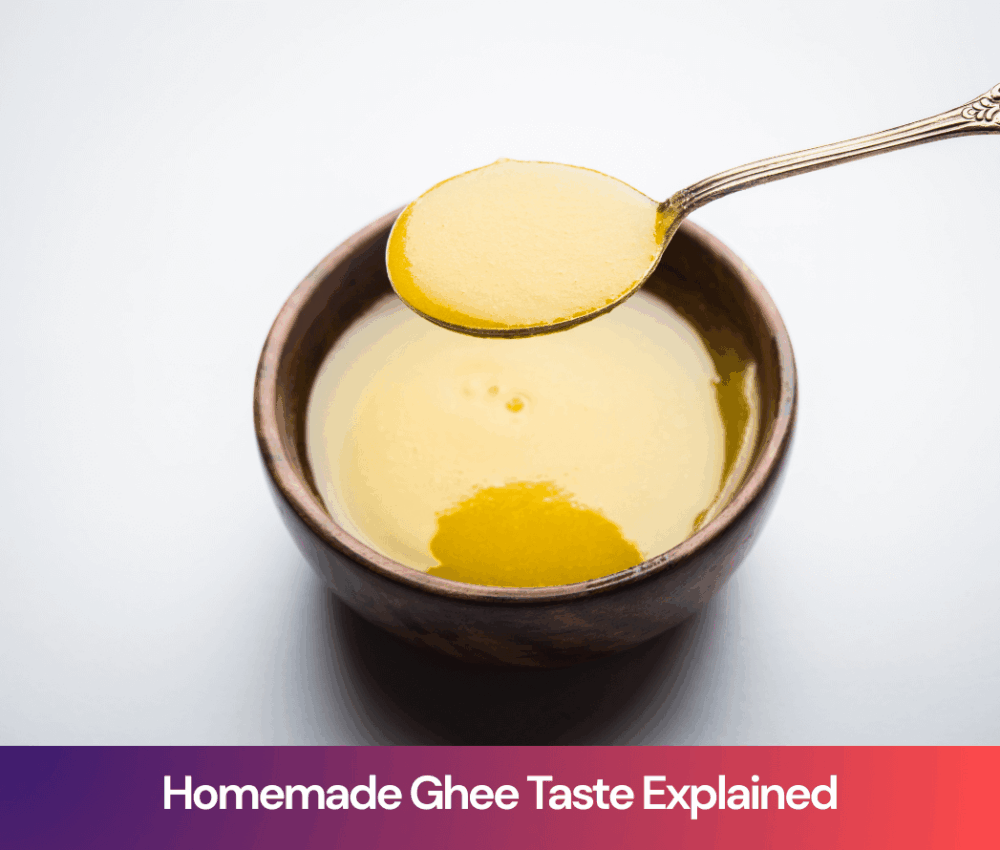
Homemade Ghee Taste Explained: Why Homemade-Style Ghee Always Wins
Homemade ghee taste stands apart for a reason. Discover why traditional methods, slow cooking, and purity make ghee richer and better.
Introduction: Why Taste Matters More Than You Think
Let’s be honest. Ghee isn’t just a cooking fat. It’s a flavor carrier, an aroma builder, and for many households, an emotional connection to home-cooked food.
Yet a lot of people buy ghee and still feel something is missing. The smell isn’t right. The taste feels flat. The richness you remember from childhood just isn’t there.
That’s where homemade-style ghee comes in.
This article breaks down why homemade ghee taste is so distinct, what actually affects flavor, and how traditionally prepared options like Murli amrit ghee manage to recreate that authentic experience without you standing in the kitchen for hours.
1. The Science Behind Homemade Ghee Taste
Taste isn’t magic. It’s chemistry.
When butter is slowly heated to make ghee, several things happen:
- Milk solids caramelize gently
- Natural fats stabilize
- Aromatic compounds develop
These reactions are responsible for that nutty aroma and deep flavor.
Stat 1: Food chemistry studies show that slow heating of butter increases flavor-producing compounds by up to 35% compared to rapid industrial processing.
Mass-produced ghee often skips this slow transformation. The result is ghee that looks right but tastes hollow.
Homemade-style ghee respects the process. That’s why the taste feels fuller and more rounded.
2. Traditional Methods vs Industrial Processing
This is where the biggest difference lies.
Homemade-style ghee is usually made by:
- Churning cultured butter
- Heating it slowly over low flame
- Allowing milk solids to settle naturally
- Filtering without aggressive refinement
Industrial ghee, on the other hand:
- Uses high heat to save time
- Often skips fermentation
- Prioritizes shelf life over flavor
Stat 2: According to dairy research data, high-heat processing can reduce natural flavor compounds in fats by nearly 25%.
What this really means is simple. Faster production equals weaker taste.
Murli amrit ghee follows a slower, traditional approach, which is why its flavor profile closely matches homemade ghee taste.
3. Milk Quality and Its Direct Impact on Flavor
You can’t make good ghee from poor-quality milk. Period.
Homemade-style ghee depends heavily on:
- The cow’s diet
- Milk freshness
- Fat composition
Milk from grass-fed cows naturally contains higher levels of beta-carotene and aromatic fats.
Stat 3: Grass-fed milk contains up to 50% more flavor-enhancing fatty acids compared to grain-fed milk.
This directly affects:
- Color (that natural golden hue)
- Aroma
- Aftertaste
If ghee tastes pale or neutral, the milk source is usually the problem, not your cooking.
4. Aroma, Texture, and Mouthfeel: The Real Taste Test
Taste isn’t just what your tongue senses. It’s also smell and texture.
Homemade-style ghee typically has:
- A warm, nutty aroma
- Smooth, melt-in-the-mouth texture
- Clean finish without greasy residue
Stat 4: Sensory studies show that aroma contributes nearly 70% of perceived taste in fat-based foods.
That’s why homemade ghee feels comforting even in small amounts.
Murli amrit ghee focuses on preserving these sensory qualities instead of over-filtering them away.
5. Why Homemade-Style Ghee Feels Lighter on the Palate
Many people say homemade ghee feels “lighter” even though it’s pure fat.
This happens because:
- Milk solids are properly separated
- Ghee is not overheated
- Natural fatty acids remain intact
When ghee is overcooked or chemically refined, it becomes heavy and coats the mouth unpleasantly.
Homemade-style ghee melts cleanly, carries flavors better, and enhances food instead of overpowering it.
A Simple Example: One Dish, Two Ghees
Take plain dal and rice.
Version one uses regular commercial ghee.
Version two uses homemade-style ghee.
Most people instantly notice:
- Stronger aroma
- Better flavor depth
- Less quantity needed for satisfaction
That’s the power of real ghee taste. You don’t need more. You need better.
How to Identify Real Homemade-Style Ghee
Here’s a quick checklist:
- Aroma should feel nutty, not oily
- Color should be naturally golden
- Texture should melt instantly
- Taste should linger gently
If ghee passes these tests, you’re close to authentic homemade ghee taste.
Conclusion: Taste Is the Proof
Homemade-style ghee tastes better because it respects time, ingredients, and tradition.
It’s not about nostalgia. It’s about process, milk quality, and patience. When these come together, the result is ghee that transforms food instead of just cooking it.
If you want that real homemade ghee taste without the hassle, choose traditionally prepared options like Murli amrit ghee. Your meals will tell you the difference before anyone else does.
Frequently Asked Questions
1. Why does homemade ghee taste nuttier?
Because slow heating allows milk solids to caramelize naturally.
2. Is homemade-style ghee healthier?
Yes. Traditional methods preserve beneficial fatty acids and aroma compounds.
3. Does color affect ghee taste?
Yes. A natural golden color usually indicates better milk quality and flavor.
4. Can store-bought ghee taste like homemade?
Only if it’s made using traditional, slow-cooking methods.
5. Why does Murli amrit ghee taste closer to homemade ghee?
Because it follows traditional preparation instead of rapid industrial processing.


