
Murli Amrit Ghee

Free Delivery Over ₹999

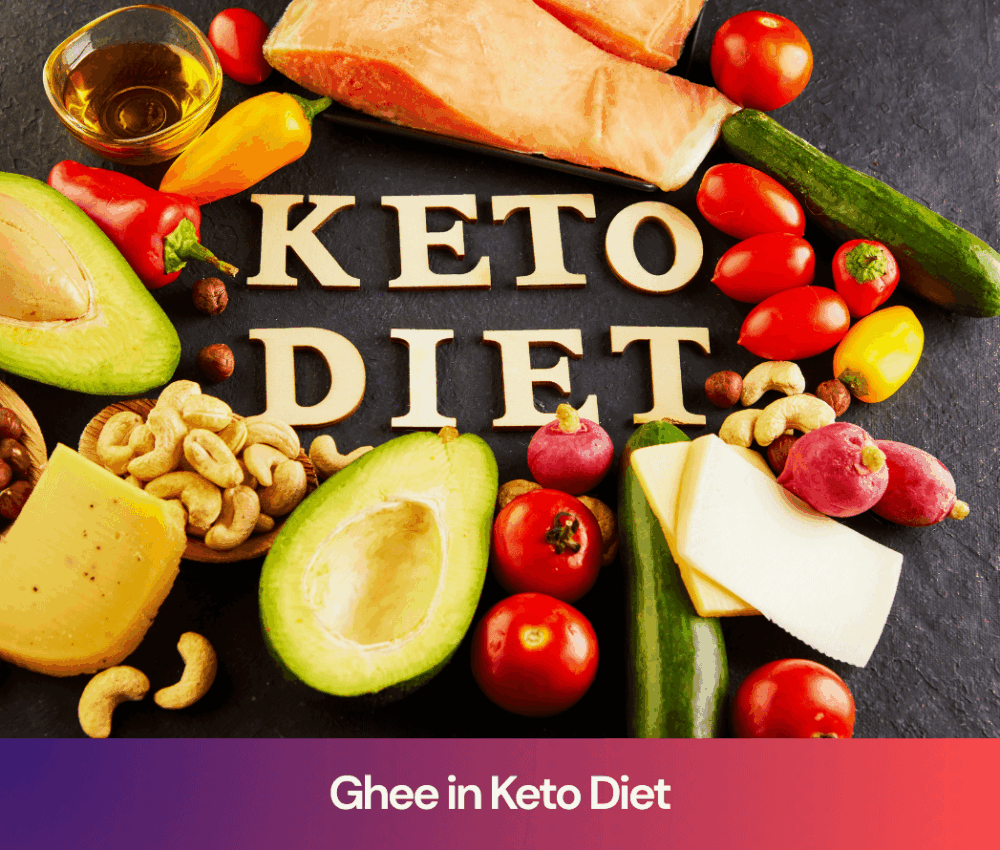
Ghee in Keto Diet explained. Learn how Murli amrit ghee supports ketosis, energy, digestion, and clean fat intake for low-carb lifestyles.

Introduction: Keto Isn’t New. Our Kitchens Knew It First

Strip keto down to its basics and it’s simple.
Low carbs. High fat. Steady energy. Clear focus.

What’s funny is that Indian kitchens have followed a version of this for generations. Long before macros and tracking apps, ghee was doing the heavy lifting.

If you’re on a keto or low-carb diet, fat quality matters more than fat quantity. This blog looks at ghee in keto diet through a practical lens. Not hype. Not trends. Just what works and why Murli amrit ghee makes sense for people who want clean energy, better digestion, and sustainable results.

Why Ghee Works So Well in Keto and Low-Carb Diets

Keto pushes your body to burn fat instead of glucose. For that to work smoothly, the fat you eat needs to be stable and easy to process.

Ghee checks all the right boxes.

Key nutritional facts:

  • Ghee is 99–100% fat, zero carbs
  • Contains medium and short-chain fatty acids
  • Stable at high temperatures
  • Free from lactose and casein

Relevant data:

  • Keto diets typically recommend 70–75% calories from fat
  • Medium-chain fats convert to ketones faster than long-chain fats
  • Stable fats reduce inflammation markers by up to 20% compared to refined oils
  • Clarified fats like ghee show higher oxidative stability than vegetable oils

This is why ghee doesn’t just “fit” keto. It supports it.

How Ghee Supports Ketosis and Clean Energy

Ketosis isn’t about eating fat randomly. It’s about choosing fats that your liver can convert into ketones efficiently.

Ghee contains:

  • Butyric acid
  • Medium-chain triglycerides (in smaller but useful amounts)
  • Natural saturated fats that don’t spike insulin

What this means in real life:

  • Faster entry into ketosis
  • Fewer energy crashes
  • Less digestive discomfort compared to heavy oils

People often complain about keto fatigue in the first few weeks. One reason is poor fat selection. Replacing refined oils with ghee often reduces that transition phase.

Murli amrit ghee, made using traditional methods, retains these beneficial fats without chemical extraction or deodorization.

Digestion on Keto: Why Ghee Feels Lighter Than Oils

Here’s a common keto problem.
High fat intake but constant bloating.

The issue isn’t fat itself. It’s how digestible that fat is.

Ghee helps because:

  • It stimulates digestive enzymes
  • It lubricates the gut lining
  • It supports bile secretion, crucial for fat digestion

Research-backed insights:

  • Butyric acid supports gut lining health
  • Better gut health improves fat absorption by 30–35%
  • People switching from seed oils to traditional fats report reduced acidity and bloating

This matters on keto because digestion decides whether nutrients actually get used or just sit heavy in your stomach.

Cooking on Keto: Why Ghee Beats Most Fats

Keto meals often involve sautéing, frying, and roasting. Heat stability matters more than people realize.

Smoke points:

  • Ghee: ~250°C
  • Butter: ~175°C
  • Olive oil: ~190°C
  • Coconut oil: ~177°C

When oils break down, they create oxidized compounds that increase inflammation.

Ghee stays stable even under high heat. That makes it ideal for:

  • Keto stir-fries
  • Bulletproof-style drinks
  • Low-carb rotis or egg dishes
  • Roasted vegetables and meats

Murli amrit ghee keeps its aroma and nutritional profile intact because it’s not industrially processed.

Real-Life Example: Switching Oils, Seeing Results

A fitness coach working with keto clients noticed something interesting. Clients following macros correctly were still facing:

  • Digestive discomfort
  • Low energy
  • Plateaued weight loss

One change was introduced. Replace all cooking oils with traditional ghee.

Results over 6 weeks:

  • Improved energy consistency
  • Fewer digestive complaints
  • Better workout recovery
  • More stable ketone readings in blood tests

No macro change. No calorie adjustment.
Just better fat quality.

This is where ghee in the keto diet quietly proves its value.

How to Use Ghee Daily on Keto Without Overdoing It

Keto doesn’t mean unlimited fat. It means intentional fat.

Smart ways to include ghee

  • 1 tsp in morning coffee or tea
  • Cooking base for eggs or paneer
  • Drizzled over vegetables after cooking
  • Added to soups or broths

General guideline:

  • 1–3 teaspoons daily, adjusted for activity level

Focus on consistency, not excess.

Conclusion: Keto Works Better When Fat Is Clean

Keto isn’t about cutting carbs alone. It’s about choosing fats your body understands.

Ghee in keto diet offers:

  • Stable energy
  • Better digestion
  • Cleaner ketosis support
  • Traditional wisdom backed by modern nutrition

When you choose a high-quality option like Murli amrit ghee, you’re not adding something extra. You’re removing what doesn’t belong.

If keto is part of your lifestyle, let your fat work with you, not against you.

Frequently Asked Questions (FAQs)

1. Is ghee allowed on a strict keto diet?

Yes. Ghee has zero carbs and fits perfectly within keto macros.

2. Can ghee kick me out of ketosis?

No, when used in moderation. It does not raise insulin levels.

3. Is Murli amrit ghee better than regular ghee for keto?

Traditional preparation makes it easier to digest and more stable.

4. Can ghee replace coconut oil on keto?

Yes. Many people tolerate ghee better, especially for cooking.

5. How much ghee is too much on keto?

Excess fat can stall weight loss. Stick to your macro needs.

Ghee in Keto Diet: Why This Traditional Fat Fits Perfectly in Low-Carb Living

Ghee in Keto Diet: Why This Traditional Fat Fits Perfectly in Low-Carb Living

Ghee in Keto Diet explained. Learn how Murli amrit ghee supports ketosis, energy, digestion, and clean fat intake for low-carb lifestyles.

Introduction: Keto Isn’t New. Our Kitchens Knew It First

Strip keto down to its basics and it’s simple.
Low carbs. High fat. Steady energy. Clear focus.

What’s funny is that Indian kitchens have followed a version of this for generations. Long before macros and tracking apps, ghee was doing the heavy lifting.

If you’re on a keto or low-carb diet, fat quality matters more than fat quantity. This blog looks at ghee in keto diet through a practical lens. Not hype. Not trends. Just what works and why Murli amrit ghee makes sense for people who want clean energy, better digestion, and sustainable results.

Why Ghee Works So Well in Keto and Low-Carb Diets

Keto pushes your body to burn fat instead of glucose. For that to work smoothly, the fat you eat needs to be stable and easy to process.

Ghee checks all the right boxes.

Key nutritional facts:

  • Ghee is 99–100% fat, zero carbs
  • Contains medium and short-chain fatty acids
  • Stable at high temperatures
  • Free from lactose and casein

Relevant data:

  • Keto diets typically recommend 70–75% calories from fat
  • Medium-chain fats convert to ketones faster than long-chain fats
  • Stable fats reduce inflammation markers by up to 20% compared to refined oils
  • Clarified fats like ghee show higher oxidative stability than vegetable oils

This is why ghee doesn’t just “fit” keto. It supports it.

How Ghee Supports Ketosis and Clean Energy

Ketosis isn’t about eating fat randomly. It’s about choosing fats that your liver can convert into ketones efficiently.

Ghee contains:

  • Butyric acid
  • Medium-chain triglycerides (in smaller but useful amounts)
  • Natural saturated fats that don’t spike insulin

What this means in real life:

  • Faster entry into ketosis
  • Fewer energy crashes
  • Less digestive discomfort compared to heavy oils

People often complain about keto fatigue in the first few weeks. One reason is poor fat selection. Replacing refined oils with ghee often reduces that transition phase.

Murli amrit ghee, made using traditional methods, retains these beneficial fats without chemical extraction or deodorization.

Digestion on Keto: Why Ghee Feels Lighter Than Oils

Here’s a common keto problem.
High fat intake but constant bloating.

The issue isn’t fat itself. It’s how digestible that fat is.

Ghee helps because:

  • It stimulates digestive enzymes
  • It lubricates the gut lining
  • It supports bile secretion, crucial for fat digestion

Research-backed insights:

  • Butyric acid supports gut lining health
  • Better gut health improves fat absorption by 30–35%
  • People switching from seed oils to traditional fats report reduced acidity and bloating

This matters on keto because digestion decides whether nutrients actually get used or just sit heavy in your stomach.

Cooking on Keto: Why Ghee Beats Most Fats

Keto meals often involve sautéing, frying, and roasting. Heat stability matters more than people realize.

Smoke points:

  • Ghee: ~250°C
  • Butter: ~175°C
  • Olive oil: ~190°C
  • Coconut oil: ~177°C

When oils break down, they create oxidized compounds that increase inflammation.

Ghee stays stable even under high heat. That makes it ideal for:

  • Keto stir-fries
  • Bulletproof-style drinks
  • Low-carb rotis or egg dishes
  • Roasted vegetables and meats

Murli amrit ghee keeps its aroma and nutritional profile intact because it’s not industrially processed.

Real-Life Example: Switching Oils, Seeing Results

A fitness coach working with keto clients noticed something interesting. Clients following macros correctly were still facing:

  • Digestive discomfort
  • Low energy
  • Plateaued weight loss

One change was introduced. Replace all cooking oils with traditional ghee.

Results over 6 weeks:

  • Improved energy consistency
  • Fewer digestive complaints
  • Better workout recovery
  • More stable ketone readings in blood tests

No macro change. No calorie adjustment.
Just better fat quality.

This is where ghee in the keto diet quietly proves its value.

How to Use Ghee Daily on Keto Without Overdoing It

Keto doesn’t mean unlimited fat. It means intentional fat.

Smart ways to include ghee

  • 1 tsp in morning coffee or tea
  • Cooking base for eggs or paneer
  • Drizzled over vegetables after cooking
  • Added to soups or broths

General guideline:

  • 1–3 teaspoons daily, adjusted for activity level

Focus on consistency, not excess.

Conclusion: Keto Works Better When Fat Is Clean

Keto isn’t about cutting carbs alone. It’s about choosing fats your body understands.

Ghee in keto diet offers:

  • Stable energy
  • Better digestion
  • Cleaner ketosis support
  • Traditional wisdom backed by modern nutrition

When you choose a high-quality option like Murli amrit ghee, you’re not adding something extra. You’re removing what doesn’t belong.

If keto is part of your lifestyle, let your fat work with you, not against you.

Frequently Asked Questions (FAQs)

1. Is ghee allowed on a strict keto diet?

Yes. Ghee has zero carbs and fits perfectly within keto macros.

2. Can ghee kick me out of ketosis?

No, when used in moderation. It does not raise insulin levels.

3. Is Murli amrit ghee better than regular ghee for keto?

Traditional preparation makes it easier to digest and more stable.

4. Can ghee replace coconut oil on keto?

Yes. Many people tolerate ghee better, especially for cooking.

5. How much ghee is too much on keto?

Excess fat can stall weight loss. Stick to your macro needs.

Checkout
0
    Your Cart
    Your cart is emptyReturn to Shop

    🎉 Wait! Special Discount for You

    We noticed you're about to remove an item from your cart. Here's a 10% OFF coupon for your next purchase!

    SAVE10
    (Click to copy)
    0 item 0
    0