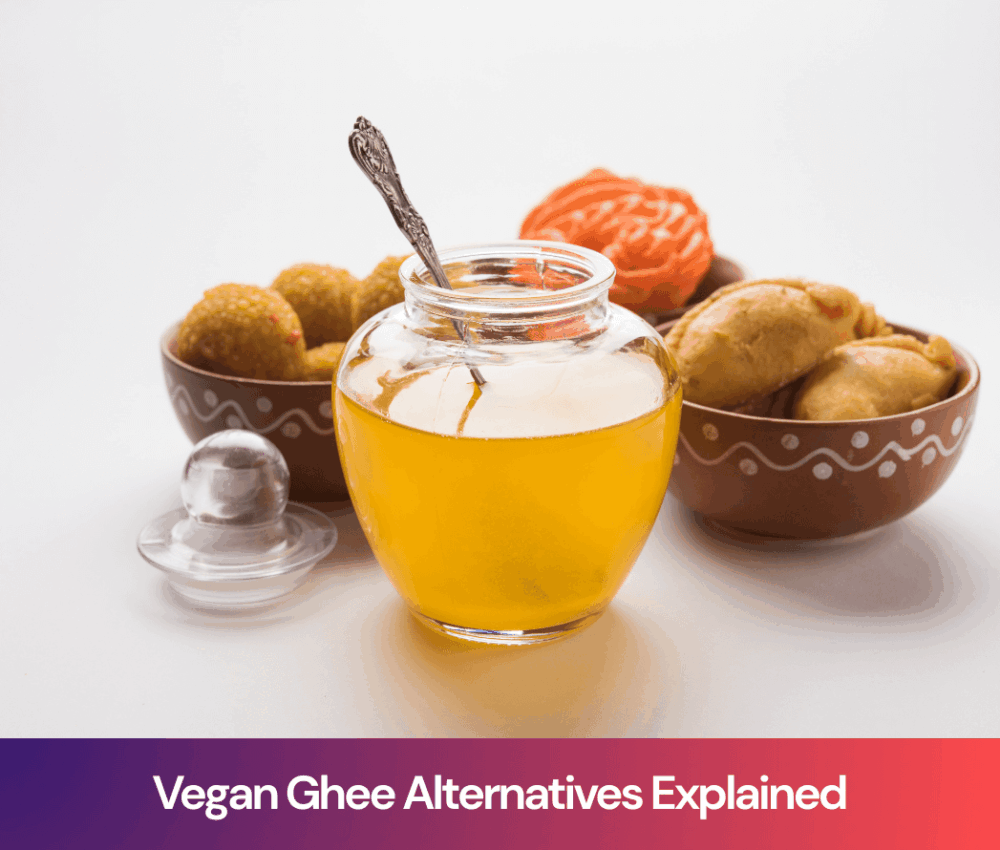
Vegan Ghee Alternatives Explained: Is Ghee Allowed in Vegan Diets?
Are vegan ghee alternatives truly the same? Learn whether ghee fits ...

Are vegan ghee alternatives truly the same? Learn whether ghee fits vegan diets, how plant-based options compare, and where Murli amrit ghee stands.
Let’s clear the air first. Ghee is traditional, nutrient-dense, and deeply rooted in Indian cooking. Vegan diets, on the other hand, strictly avoid animal-derived foods. That’s where the confusion begins.
Many people searching for vegan ghee are actually asking three different questions:
This article breaks it all down clearly. No judgement. Just facts, context, and practical choices. We’ll also explain where Murli amrit ghee fits in for those who are not vegan but are comparing options.
Short answer: No, traditional ghee is not vegan.
Ghee is made from butter, which comes from milk. Even when milk solids are removed, the source remains animal-based. That automatically excludes ghee from a vegan diet.
But veganism isn’t about digestion alone. It’s about source and ethics, not processing.
Relevant statistics:
So by definition, ghee does not qualify as vegan.
This is where the keyword Vegan Ghee Alternatives truly applies.
Vegan ghee alternatives aim to replicate:
But they do this using plant sources.
Most vegan ghee alternatives are blended fats, not single-ingredient products.
Important stat:
Nearly 40% of plant-based butter alternatives contain refined oils that break down faster under heat compared to ghee.
So while they meet vegan standards, their cooking performance varies.
This is where many people feel disappointed after switching.
Traditional ghee:
Most vegan ghee alternatives:
This is why vegan cooking often adapts recipes rather than directly replacing ghee 1:1.
It’s important to be honest here.
Murli amrit ghee is not vegan.
And it doesn’t claim to be.
But many people comparing vegan ghee alternatives are:
For this group, understanding the difference matters.
In fact, surveys show over 45% of people who try vegan diets later adopt flexible or vegetarian approaches, where ghee returns in limited quantities.
That’s where clean, traditionally prepared ghee becomes relevant.
A family followed a vegan diet five days a week and used traditional foods on weekends.
What they did:
Results after 3 months:
The key wasn’t strict labels. It was intentional.
Let’s summarise clearly.
1. Is ghee vegan-friendly?
No. Ghee is derived from milk and is not vegan.
2. What is vegan ghee made from?
Plant oils like coconut, sunflower, avocado, and nuts.
3. Can vegan ghee replace ghee in Indian cooking?
Partially. Cooking methods and temperatures may need adjustment.
4. Is Murli amrit ghee vegan?
No. It is traditional dairy-based ghee.
5. Which is healthier: vegan ghee or traditional ghee?
It depends on diet philosophy, digestion, and how fat is used.


