
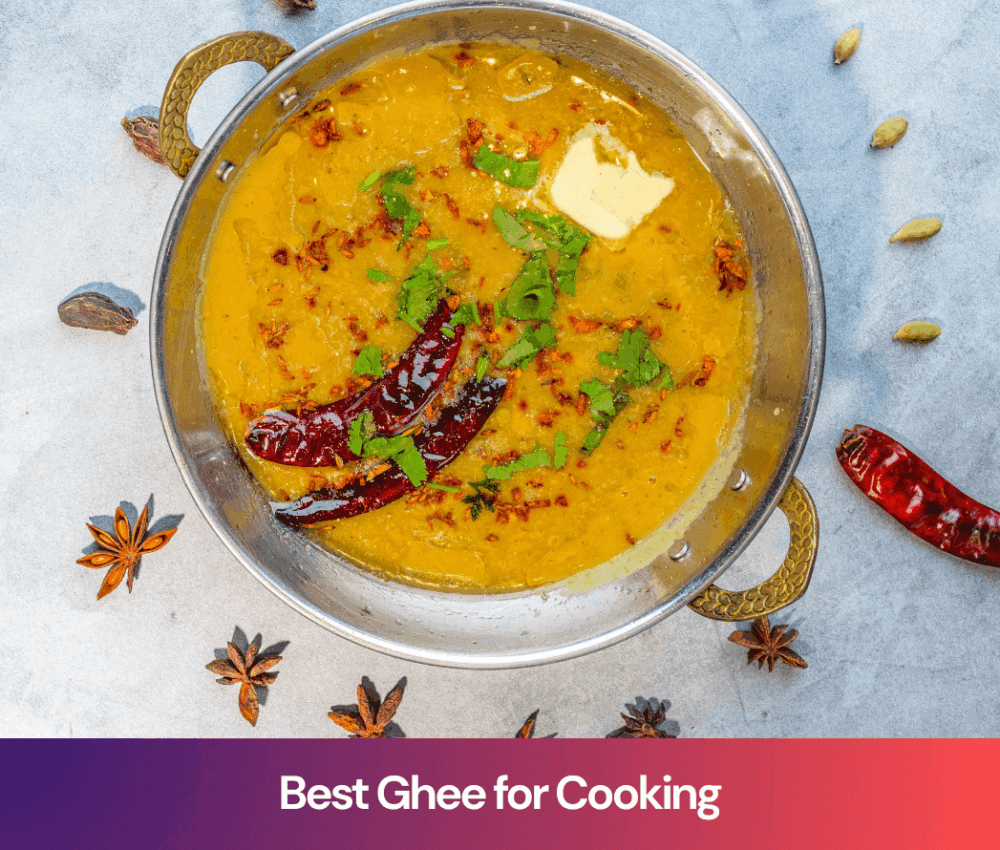
Best Ghee for Cooking: What to Look For in Indian Kitchens
Looking for the best ghee for cooking? Learn how to choose pure, traditional ghee for Indian meals and why Murli amrit ghee stands out.
Introduction: Why Choosing the Right Ghee Actually Matters
In Indian cooking, ghee isn’t optional. It’s fundamental. From tadka on dal to soft rotis and festive sweets, ghee shapes flavour, aroma, and digestion.
But here’s the thing. Not all ghee performs the same in the kitchen.
Many people buy ghee assuming all jars are equal. They’re not. The best ghee for cooking depends on how it’s made, how stable it is under heat, and how well your body handles it. This guide breaks down what to look for, what to avoid, and how traditionally prepared options like Murli amrit ghee fit perfectly into Indian cooking habits.
1. Heat Stability: The First Rule of Cooking Ghee
Indian cooking often involves high heat. Tadka, deep sautéing, slow roasting. The fat you use must stay stable under pressure.
Ghee does this exceptionally well.
Stat 1: Ghee has a smoke point of around 250°C, which is significantly higher than most refined vegetable oils.
When oil crosses its smoke point, it oxidizes and forms harmful compounds. Ghee resists this breakdown, making it one of the safest fats for daily Indian cooking.
What to check:
- Clear golden colour
- No burnt or sharp smell when heated
- Smooth consistency without graininess from overheating during processing
If a ghee smokes too early, it’s either impure or poorly processed.
2. Traditional Preparation vs Industrial Processing
This is where most people go wrong.
Traditionally, ghee is made by slowly heating cultured butter. Industrial ghee is often rushed, deodorized, or chemically refined.
Fact: The preparation method affects taste, digestibility, and nutritional quality.
Stat 2: Studies on traditional dairy fats show higher retention of fat-soluble vitamins when slow-heating methods are used instead of high-speed industrial processing.
Murli amrit ghee follows traditional methods that preserve aroma and structure instead of stripping it down for mass production.
For cooking, this means:
- Better flavour absorption
- Lighter feel after meals
- No greasy aftertaste
3. Taste and Aroma: A Real Test of Quality
Good ghee announces itself the moment it hits a hot pan.
The aroma should be nutty, warm, and comforting. Not flat. Not oily. Not artificial.
Taste matters in Indian cooking because ghee doesn’t just cook food. It carries spices, coats grains, and enhances mouthfeel.
A simple test at home:
Heat one spoon of ghee.
Add plain rice or roti.
If the flavour stands on its own without heaviness, that’s quality ghee.
Stat 3: Sensory studies show traditional ghee scores higher in aroma and palatability compared to refined fats.
This is why home-style ghee continues to outperform mass-market alternatives.
4. Nutrition Profile That Supports Daily Cooking
Cooking fat shouldn’t just survive heat. It should support health too.
Ghee naturally contains fat-soluble vitamins that are crucial for Indian diets.
Key nutrients include:
- Vitamin A for immunity and vision
- Vitamin D for bone health
- Vitamin E for cell protection
- Vitamin K for calcium absorption
Stat 4: Traditional ghee provides small but bioavailable amounts of vitamins A, D, E, and K, which are better absorbed when consumed with food.
When you cook vegetables or dals in ghee, you actually improve nutrient absorption. That’s something refined oils don’t offer.
5. Real Kitchen Example: Switching to Better Ghee
A family cooking daily with refined oil experiences frequent acidity and bloating. They switch to using a controlled amount of traditional ghee for tadka and rotis.
Within weeks:
- Meals feel lighter
- Portion sizes naturally reduce
- Food tastes more satisfying
This isn’t about trends. It’s about choosing a fat that works with Indian food instead of against it.
Murli amrit ghee fits into this shift because it behaves the way ghee always did in Indian kitchens.
What to Look For When Buying the Best Ghee for Cooking
Here’s a quick checklist you can actually use while shopping:
- Traditional preparation method
- High smoke point and heat stability
- Natural aroma and golden colour
- No added preservatives or flavours
- Smooth texture without excessive graininess
Avoid ghee that smells flat, looks overly white, or tastes oily instead of nutty.
Conclusion: Choose Ghee That Respects Indian Cooking
The best ghee for cooking isn’t about branding or price tags. It’s about how well it performs on your stove and in your body.
Indian cooking demands heat stability, flavour depth, and digestive comfort. Traditionally prepared ghee delivers all three. When you choose quality options like Murli amrit ghee, you’re not upgrading your food. You’re restoring balance to how it was always meant to be cooked.
Cook smart. Choose wisely. Let ghee do what it does best.
Frequently Asked Questions
1. Is ghee better than oil for Indian cooking?
Yes. Ghee handles high heat better and enhances flavour and digestion.
2. How much ghee should be used daily?
1–2 teaspoons per person is generally enough for daily cooking.
3. Can ghee be reused for cooking?
It’s better to use fresh ghee for each cooking session to avoid oxidation.
4. Does ghee make food heavy?
Quality ghee used in moderation actually improves satiety without heaviness.
5. Why choose Murli amrit ghee for cooking?
Because it follows traditional preparation methods suited for Indian meals.


