
Murli Amrit Ghee

Free Delivery Over ₹999

Indian Mithai gets its true taste from ghee. Learn why ghee is essential in traditional Indian sweets and how Murli amrit ghee makes the difference.

Introduction: The Real Soul of Indian Mithai

Here’s the thing. When we talk about Indian mithai, we’re not just talking about sugar and milk. We’re talking about memory, celebration, and craft passed down through generations.

At the center of it all sits ghee.

From laddoos rolled by hand to slow-roasted halwa and temple prasad, ghee gives Indian sweets their aroma, texture, and depth. This blog explores why ghee has always been essential in Indian mithai, how it shapes taste and digestion, and why choosing traditionally made options like Murli amrit ghee still matters today.

Let’s get into it.

1. The Cultural Role of Ghee in Indian Mithai

Indian sweets were never meant to be everyday snacks. They were created for festivals, rituals, and milestones. Ghee played a central role in that philosophy.

Why? Because ghee symbolized prosperity, purity, and nourishment.

Historically, sweets made with ghee were:

  • Offered to deities as prasad
  • Prepared during weddings and childbirth
  • Served during festivals like Diwali, Holi, and Raksha Bandhan

Key insight:
Ancient Indian kitchens valued ghee because it enhanced both flavor and shelf life before refrigeration existed.

Relevant stat:

  • India produces over 6 million tonnes of ghee annually, much of it still consumed in traditional cooking and sweets.

This deep-rooted cultural trust didn’t come from marketing. It came from experience.

2. How Ghee Transforms Taste, Texture, and Aroma

Ask any halwai and they’ll tell you this straight: oil can cook a sweet, but ghee completes it.

What ghee actually does in Indian mithai:

  • Creates a rich, layered aroma during roasting
  • Gives sweets a melt-in-the-mouth texture
  • Prevents excessive sweetness from becoming overpowering
  • Enhances nutty notes in besan, wheat, and rice-based sweets

Take besan laddoo, for example. Without ghee, it tastes flat. With ghee, it develops depth as the besan slow-roasts.

Food science angle:

  • Ghee contains fat-soluble compounds that carry flavor more effectively than water or refined oils.
  • Its high smoke point, around 250°C, allows slow roasting without burning.

This is why traditional recipes insist on patience and ghee. Shortcuts don’t deliver the same result.

3. Digestibility: Why Ghee-Based Sweets Feel Lighter

A common concern today is that sweets feel heavy. The irony? Many traditional ghee-based mithai were actually easier to digest than modern versions.

Here’s why.

Ghee supports digestion rather than fighting it.

Digestive benefits of ghee in sweets:

  • Stimulates digestive enzymes
  • Contains butyric acid that supports gut health
  • Helps the body process sugar more efficiently
  • Reduces bloating compared to refined fats

Relevant statistics:

  • Butyric acid makes up around 3–4% of ghee’s fat profile, linked to improved gut lining health.
  • Traditional fats like ghee are being re-evaluated as healthier alternatives to refined vegetable oils by nutrition researchers.

When sweets are made with Murli amrit ghee, which follows traditional preparation methods, they stay closer to this original balance.

4. Case Example: A Halwai’s Shift Back to Traditional Ghee

A mid-sized sweet shop in Rajasthan replaced refined fat with traditional ghee for their core mithai range.

The results after one festive season:

  • Stronger aroma noticed by customers
  • Reduced complaints of heaviness
  • Higher repeat purchases despite slightly higher pricing
  • Better shelf stability in dry sweets like laddoos and peda

What changed wasn’t the recipe. It was the fat.

This shows that quality ghee isn’t an indulgence. It’s a functional ingredient.

5. Choosing the Right Ghee for Making Indian Mithai

Not all ghee behaves the same in sweets. This matters more than people realize.

What to look for when buying ghee for mithai:

  1. Traditional preparation, not industrial processing
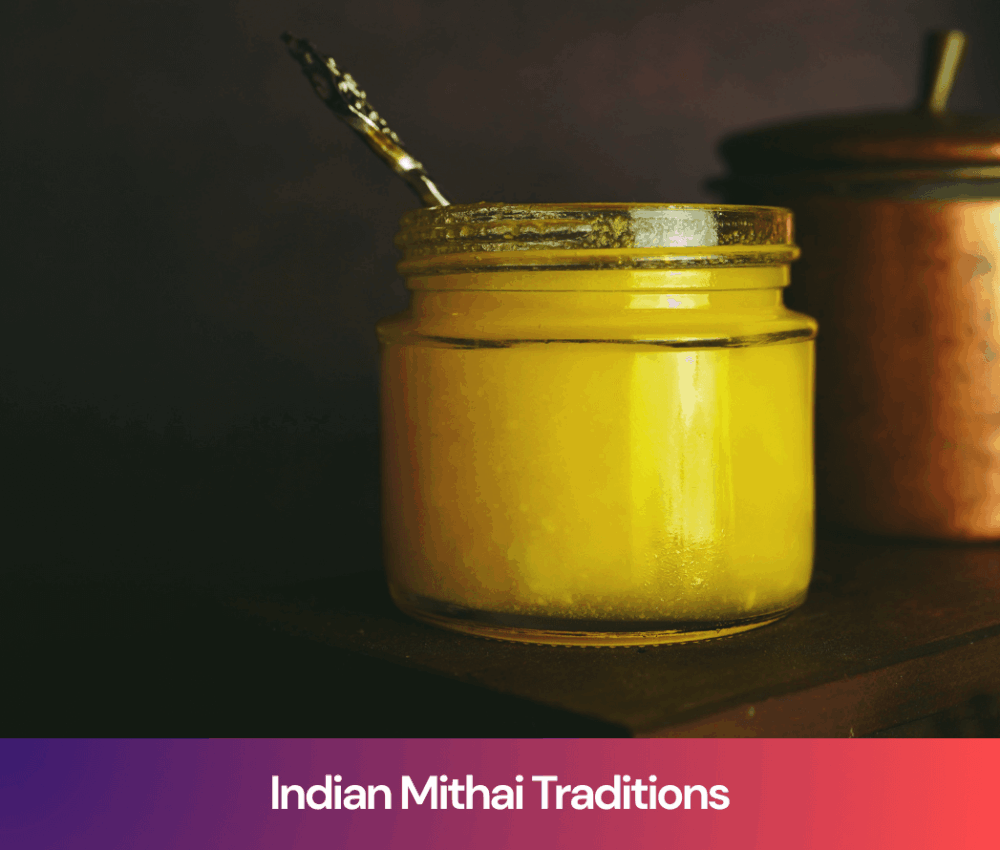
  2. Natural grainy texture and pleasant aroma
  3. No additives, colors, or artificial flavoring
  4. Stable consistency at room temperature

Murli amrit ghee fits well here because it’s aligned with traditional expectations of aroma, texture, and purity.

Practical tips for home cooks:

  • Use ghee generously during roasting, not just at the end
  • Always melt ghee on low heat for sweets
  • Store ghee-based sweets in dry containers to extend freshness

These small details make a big difference.

Conclusion: Preserving the True Taste of Indian Mithai

What this really means is simple.

Indian mithai was never meant to be rushed or compromised.

Ghee isn’t just an ingredient. It’s the backbone of flavor, digestion, and tradition. Whether it’s a festive laddoo or a humble halwa, the use of authentic ghee defines the final result.

By choosing traditional options like Murli amrit ghee, you’re not just improving taste. You’re preserving a culinary heritage that understands balance better than most modern shortcuts.

If you want sweets that feel rich yet comforting, go back to ghee. That’s where Indian mithai truly shines.

Frequently Asked Questions

1. Why is ghee preferred over oil in Indian mithai?
Ghee enhances flavor, aroma, and digestibility, unlike refined oils.

2. Does ghee make sweets unhealthy?
In moderation, ghee supports digestion and nutrient absorption better than refined fats.

3. Can sweets be made with less ghee?
Yes, but reducing ghee too much compromises taste and texture.

4. Which sweets benefit most from ghee?
Laddoos, halwa, peda, and barfi rely heavily on ghee for flavor.

5. Is Murli amrit ghee suitable for sweet making?
Yes. Its traditional preparation makes it ideal for Indian mithai.

Indian Mithai Traditions: Why Ghee Is the Heart of Traditional Indian Sweets

Indian Mithai Traditions: Why Ghee Is the Heart of Traditional Indian Sweets

Indian Mithai gets its true taste from ghee. Learn why ghee is essential in traditional Indian sweets and how Murli amrit ghee makes the difference.

Introduction: The Real Soul of Indian Mithai

Here’s the thing. When we talk about Indian mithai, we’re not just talking about sugar and milk. We’re talking about memory, celebration, and craft passed down through generations.

At the center of it all sits ghee.

From laddoos rolled by hand to slow-roasted halwa and temple prasad, ghee gives Indian sweets their aroma, texture, and depth. This blog explores why ghee has always been essential in Indian mithai, how it shapes taste and digestion, and why choosing traditionally made options like Murli amrit ghee still matters today.

Let’s get into it.

1. The Cultural Role of Ghee in Indian Mithai

Indian sweets were never meant to be everyday snacks. They were created for festivals, rituals, and milestones. Ghee played a central role in that philosophy.

Why? Because ghee symbolized prosperity, purity, and nourishment.

Historically, sweets made with ghee were:

  • Offered to deities as prasad
  • Prepared during weddings and childbirth
  • Served during festivals like Diwali, Holi, and Raksha Bandhan

Key insight:
Ancient Indian kitchens valued ghee because it enhanced both flavor and shelf life before refrigeration existed.

Relevant stat:

  • India produces over 6 million tonnes of ghee annually, much of it still consumed in traditional cooking and sweets.

This deep-rooted cultural trust didn’t come from marketing. It came from experience.

2. How Ghee Transforms Taste, Texture, and Aroma

Ask any halwai and they’ll tell you this straight: oil can cook a sweet, but ghee completes it.

What ghee actually does in Indian mithai:

  • Creates a rich, layered aroma during roasting
  • Gives sweets a melt-in-the-mouth texture
  • Prevents excessive sweetness from becoming overpowering
  • Enhances nutty notes in besan, wheat, and rice-based sweets

Take besan laddoo, for example. Without ghee, it tastes flat. With ghee, it develops depth as the besan slow-roasts.

Food science angle:

  • Ghee contains fat-soluble compounds that carry flavor more effectively than water or refined oils.
  • Its high smoke point, around 250°C, allows slow roasting without burning.

This is why traditional recipes insist on patience and ghee. Shortcuts don’t deliver the same result.

3. Digestibility: Why Ghee-Based Sweets Feel Lighter

A common concern today is that sweets feel heavy. The irony? Many traditional ghee-based mithai were actually easier to digest than modern versions.

Here’s why.

Ghee supports digestion rather than fighting it.

Digestive benefits of ghee in sweets:

  • Stimulates digestive enzymes
  • Contains butyric acid that supports gut health
  • Helps the body process sugar more efficiently
  • Reduces bloating compared to refined fats

Relevant statistics:

  • Butyric acid makes up around 3–4% of ghee’s fat profile, linked to improved gut lining health.
  • Traditional fats like ghee are being re-evaluated as healthier alternatives to refined vegetable oils by nutrition researchers.

When sweets are made with Murli amrit ghee, which follows traditional preparation methods, they stay closer to this original balance.

4. Case Example: A Halwai’s Shift Back to Traditional Ghee

A mid-sized sweet shop in Rajasthan replaced refined fat with traditional ghee for their core mithai range.

The results after one festive season:

  • Stronger aroma noticed by customers
  • Reduced complaints of heaviness
  • Higher repeat purchases despite slightly higher pricing
  • Better shelf stability in dry sweets like laddoos and peda

What changed wasn’t the recipe. It was the fat.

This shows that quality ghee isn’t an indulgence. It’s a functional ingredient.

5. Choosing the Right Ghee for Making Indian Mithai

Not all ghee behaves the same in sweets. This matters more than people realize.

What to look for when buying ghee for mithai:

  1. Traditional preparation, not industrial processing
  2. Natural grainy texture and pleasant aroma
  3. No additives, colors, or artificial flavoring
  4. Stable consistency at room temperature

Murli amrit ghee fits well here because it’s aligned with traditional expectations of aroma, texture, and purity.

Practical tips for home cooks:

  • Use ghee generously during roasting, not just at the end
  • Always melt ghee on low heat for sweets
  • Store ghee-based sweets in dry containers to extend freshness

These small details make a big difference.

Conclusion: Preserving the True Taste of Indian Mithai

What this really means is simple.

Indian mithai was never meant to be rushed or compromised.

Ghee isn’t just an ingredient. It’s the backbone of flavor, digestion, and tradition. Whether it’s a festive laddoo or a humble halwa, the use of authentic ghee defines the final result.

By choosing traditional options like Murli amrit ghee, you’re not just improving taste. You’re preserving a culinary heritage that understands balance better than most modern shortcuts.

If you want sweets that feel rich yet comforting, go back to ghee. That’s where Indian mithai truly shines.

Frequently Asked Questions

1. Why is ghee preferred over oil in Indian mithai?
Ghee enhances flavor, aroma, and digestibility, unlike refined oils.

2. Does ghee make sweets unhealthy?
In moderation, ghee supports digestion and nutrient absorption better than refined fats.

3. Can sweets be made with less ghee?
Yes, but reducing ghee too much compromises taste and texture.

4. Which sweets benefit most from ghee?
Laddoos, halwa, peda, and barfi rely heavily on ghee for flavor.

5. Is Murli amrit ghee suitable for sweet making?
Yes. Its traditional preparation makes it ideal for Indian mithai.

Checkout
0
    Your Cart
    Your cart is emptyReturn to Shop

    🎉 Wait! Special Discount for You

    We noticed you're about to remove an item from your cart. Here's a 10% OFF coupon for your next purchase!

    SAVE10
    (Click to copy)
    0 item 0
    0