
Murli Amrit Ghee

Free Delivery Over ₹999

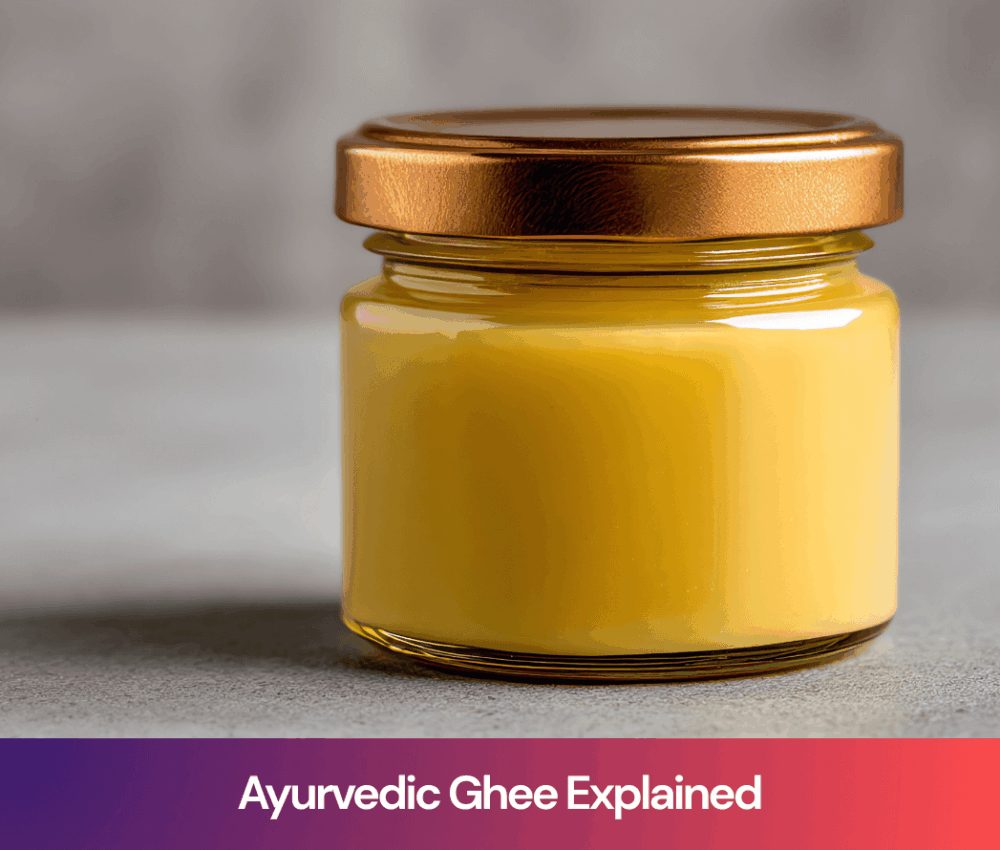
Ayurvedic ghee explained with basics of Ayurvedic cooking. Learn how Murli amrit ghee supports digestion, dosha balance, and daily wellness.

Introduction: Why ghee sits at the heart of Ayurveda

Here’s the thing. In Ayurveda, food isn’t just fuel. It’s medicine, routine, and prevention rolled into one.

That’s why Ayurvedic ghee isn’t treated like just another cooking fat. It’s considered a yogavahi, a carrier that helps nutrients travel deeper into the body. When used correctly, ghee supports digestion, balances doshas, and improves the overall effect of food on the body.

This blog explains the basics of Ayurvedic cooking with ghee, how it works, when to use it, and why traditionally prepared options like Murli amrit ghee fit perfectly into this system.

1. What Makes Ghee Ayurvedic, Not Just Traditional

Not all ghee qualifies as Ayurvedic ghee.

Ayurveda focuses on how food is prepared, not just what it is. Ghee made using traditional bilona or slow-cooking methods retains qualities that Ayurveda values.

Ayurvedic characteristics of ghee:

  • Light yet nourishing
  • Improves digestive fire (agni)
  • Supports tissue nourishment (dhatu poshan)
  • Calms vata and pitta when used correctly

Key data points:

  • Ghee contains around 60–65% saturated fat, which Ayurveda considers grounding and stabilising
  • It includes butyric acid, roughly 3–4%, known to support gut lining health
  • Traditional fats improve absorption of fat-soluble vitamins by up to 30–40%
  • Diets aligned with digestive strength show 20–25% better nutrient assimilation

This is why Ayurvedic ghee is used in small, purposeful amounts.

2. The Role of Ghee in Balancing Doshas

Ayurveda doesn’t believe in one-size-fits-all nutrition. Ghee behaves differently depending on the person and season.

How ghee interacts with doshas:

  • Vata:
    Ghee is grounding, warming, and lubricating. It’s one of the best fats for calming dryness, anxiety, and irregular digestion.
  • Pitta:
    Used moderately, ghee cools excess heat and supports liver function.
  • Kapha:
    Requires careful portion control. Small amounts improve digestion, excess can slow metabolism.

This is why Ayurvedic cooking never floods food with fat. It uses just enough.

3. How Ayurvedic Cooking Uses Ghee Differently

Ayurvedic cooking with ghee isn’t about frying everything. It’s about timing, temperature, and intention.

Common Ayurvedic uses of ghee:

  • Added at the end of cooking to preserve properties
  • Used to roast spices gently, not burn them
  • Mixed with warm foods, not cold combinations

Practical examples:

  • A teaspoon of ghee added to khichdi after cooking
  • Ghee used for tadka with cumin, ajwain, or ginger
  • A small amount mixed into warm rice or dal

This approach supports digestion without overwhelming the system.

4. Why Quality Matters in Ayurvedic Ghee

Ayurveda emphasises sattva purity, clarity, and balance.

Low-quality, overheated, or chemically processed ghee loses these qualities. That’s where traditionally prepared ghee like Murli amrit ghee becomes relevant.

Signs of Ayurvedic-quality ghee:

  • Pleasant, mild aroma
  • Grainy texture when set
  • Melts easily at body temperature
  • No burning or heaviness after consumption

Important stat:
Poor-quality fats increase digestive load by up to 35%, while traditionally prepared fats reduce bloating and heaviness in most individuals.

Ayurveda always prioritises digestibility over quantity.

5. Case Example: Simple Ayurvedic Ghee Routine

A working professional with frequent bloating and irregular meals introduced small Ayurvedic changes.

What changed:

  • Replaced refined oil with ghee
  • Used 1–2 teaspoons daily
  • Ate warm, freshly cooked meals

After 8 weeks:

  • Improved digestion
  • Reduced acidity
  • Better meal satisfaction

No supplements. No drastic diet. Just correct use of ghee.

This is how Ayurveda works. Quietly and consistently.

Conclusion: Ayurvedic Cooking With Ghee Is About Balance

Ayurvedic ghee isn’t magic. It’s an intelligent use of fat.

When you:

  • Match ghee quantity to digestion
  • Use it warm and fresh
  • Choose quality options like Murli amrit ghee

You support long-term digestive health, not just taste.

Frequently Asked Questions

1. What is Ayurvedic ghee?
Ghee is prepared traditionally and used according to digestive strength and dosha balance.

2. Can everyone consume ghee in Ayurveda?
Yes, but quantity and timing vary based on body type.

3. How much ghee is recommended daily?
Usually 1–2 teaspoons for most adults.

4. Is ghee used raw or cooked in Ayurveda?
Both, depending on the purpose and digestion.

5. Which ghee is best for Ayurvedic cooking?
Traditionally prepared options like Murli amrit ghee.

Ayurvedic Ghee Explained: The Basics of Ayurvedic Cooking With Ghee

Ayurvedic Ghee Explained: The Basics of Ayurvedic Cooking With Ghee

Ayurvedic ghee explained with basics of Ayurvedic cooking. Learn how Murli amrit ghee supports digestion, dosha balance, and daily wellness.

Introduction: Why ghee sits at the heart of Ayurveda

Here’s the thing. In Ayurveda, food isn’t just fuel. It’s medicine, routine, and prevention rolled into one.

That’s why Ayurvedic ghee isn’t treated like just another cooking fat. It’s considered a yogavahi, a carrier that helps nutrients travel deeper into the body. When used correctly, ghee supports digestion, balances doshas, and improves the overall effect of food on the body.

This blog explains the basics of Ayurvedic cooking with ghee, how it works, when to use it, and why traditionally prepared options like Murli amrit ghee fit perfectly into this system.

1. What Makes Ghee Ayurvedic, Not Just Traditional

Not all ghee qualifies as Ayurvedic ghee.

Ayurveda focuses on how food is prepared, not just what it is. Ghee made using traditional bilona or slow-cooking methods retains qualities that Ayurveda values.

Ayurvedic characteristics of ghee:

  • Light yet nourishing
  • Improves digestive fire (agni)
  • Supports tissue nourishment (dhatu poshan)
  • Calms vata and pitta when used correctly

Key data points:

  • Ghee contains around 60–65% saturated fat, which Ayurveda considers grounding and stabilising
  • It includes butyric acid, roughly 3–4%, known to support gut lining health
  • Traditional fats improve absorption of fat-soluble vitamins by up to 30–40%
  • Diets aligned with digestive strength show 20–25% better nutrient assimilation

This is why Ayurvedic ghee is used in small, purposeful amounts.

2. The Role of Ghee in Balancing Doshas

Ayurveda doesn’t believe in one-size-fits-all nutrition. Ghee behaves differently depending on the person and season.

How ghee interacts with doshas:

  • Vata:
    Ghee is grounding, warming, and lubricating. It’s one of the best fats for calming dryness, anxiety, and irregular digestion.
  • Pitta:
    Used moderately, ghee cools excess heat and supports liver function.
  • Kapha:
    Requires careful portion control. Small amounts improve digestion, excess can slow metabolism.

This is why Ayurvedic cooking never floods food with fat. It uses just enough.

3. How Ayurvedic Cooking Uses Ghee Differently

Ayurvedic cooking with ghee isn’t about frying everything. It’s about timing, temperature, and intention.

Common Ayurvedic uses of ghee:

  • Added at the end of cooking to preserve properties
  • Used to roast spices gently, not burn them
  • Mixed with warm foods, not cold combinations

Practical examples:

  • A teaspoon of ghee added to khichdi after cooking
  • Ghee used for tadka with cumin, ajwain, or ginger
  • A small amount mixed into warm rice or dal

This approach supports digestion without overwhelming the system.

4. Why Quality Matters in Ayurvedic Ghee

Ayurveda emphasises sattva purity, clarity, and balance.

Low-quality, overheated, or chemically processed ghee loses these qualities. That’s where traditionally prepared ghee like Murli amrit ghee becomes relevant.

Signs of Ayurvedic-quality ghee:

  • Pleasant, mild aroma
  • Grainy texture when set
  • Melts easily at body temperature
  • No burning or heaviness after consumption

Important stat:
Poor-quality fats increase digestive load by up to 35%, while traditionally prepared fats reduce bloating and heaviness in most individuals.

Ayurveda always prioritises digestibility over quantity.

5. Case Example: Simple Ayurvedic Ghee Routine

A working professional with frequent bloating and irregular meals introduced small Ayurvedic changes.

What changed:

  • Replaced refined oil with ghee
  • Used 1–2 teaspoons daily
  • Ate warm, freshly cooked meals

After 8 weeks:

  • Improved digestion
  • Reduced acidity
  • Better meal satisfaction

No supplements. No drastic diet. Just correct use of ghee.

This is how Ayurveda works. Quietly and consistently.

Conclusion: Ayurvedic Cooking With Ghee Is About Balance

Ayurvedic ghee isn’t magic. It’s an intelligent use of fat.

When you:

  • Match ghee quantity to digestion
  • Use it warm and fresh
  • Choose quality options like Murli amrit ghee

You support long-term digestive health, not just taste.

Frequently Asked Questions

1. What is Ayurvedic ghee?
Ghee is prepared traditionally and used according to digestive strength and dosha balance.

2. Can everyone consume ghee in Ayurveda?
Yes, but quantity and timing vary based on body type.

3. How much ghee is recommended daily?
Usually 1–2 teaspoons for most adults.

4. Is ghee used raw or cooked in Ayurveda?
Both, depending on the purpose and digestion.

5. Which ghee is best for Ayurvedic cooking?
Traditionally prepared options like Murli amrit ghee.

Checkout
0
    Your Cart
    Your cart is emptyReturn to Shop

    🎉 Wait! Special Discount for You

    We noticed you're about to remove an item from your cart. Here's a 10% OFF coupon for your next purchase!

    SAVE10
    (Click to copy)
    0 item 0
    0