
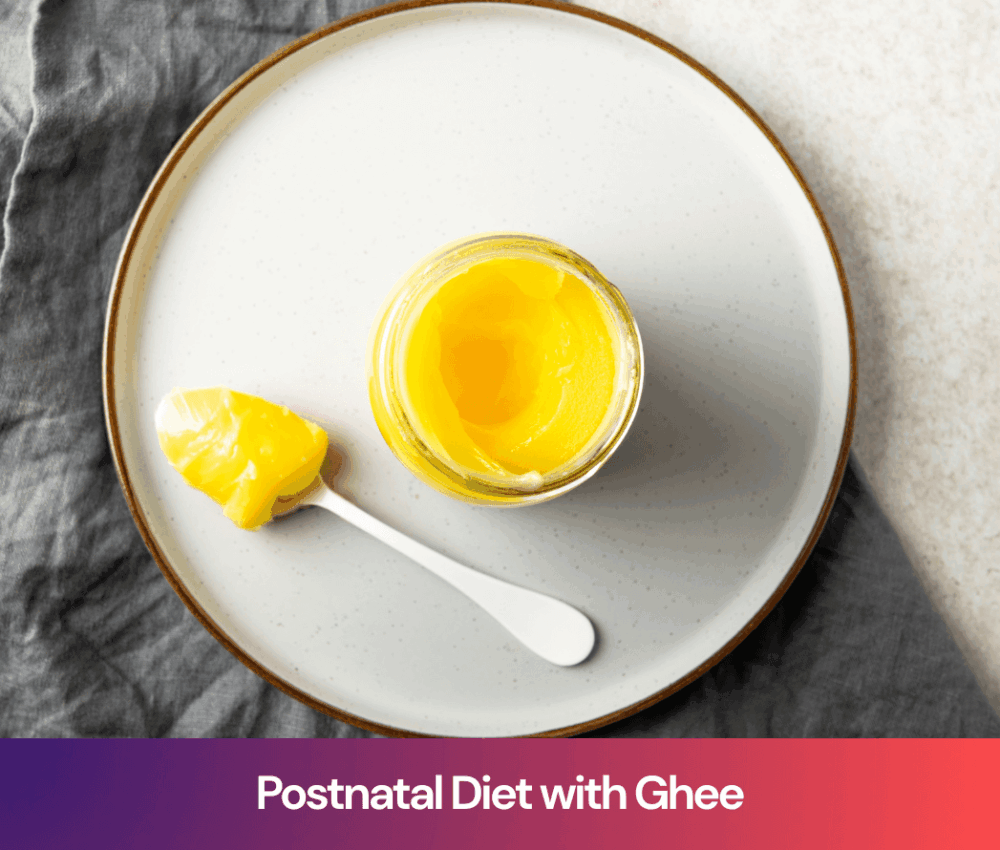
Postnatal Diet with Ghee: Why Indian Traditions Still Get It Right
Postnatal Diet with Ghee supports recovery, digestion, and strength after delivery. Learn benefits, safe use, and why Murli amrit ghee matters.
Introduction: Why Ghee Has Always Been Central to Postnatal Care
After childbirth, a woman’s body goes through intense physical, hormonal, and emotional changes. Recovery isn’t instant. Energy is low, digestion is delicate, and nourishment becomes critical, not optional.
This is exactly why Indian postnatal diets are built the way they are.
At the center of this tradition sits ghee.
The postnatal diet with ghee isn’t about richness or indulgence. It’s about rebuilding strength, supporting digestion, aiding lactation, and restoring balance. In this blog, we’ll break down why ghee plays such a vital role, what modern science says about it, how to use it safely, and why choosing a pure option like Murli amrit ghee makes all the difference.
Why Ghee Is Essential in a Postnatal Indian Diet
Childbirth creates a natural imbalance in the body, especially according to Ayurveda, where Vata dosha increases sharply after delivery. This can lead to:
- Weak digestion
- Body aches and dryness
- Fatigue and mood fluctuations
Ghee helps counter this imbalance because it is:
- Warming and grounding
- Easy to digest
- Deeply nourishing to tissues
From a nutritional standpoint:
- New mothers need higher energy intake
- Fat-soluble vitamins become crucial for recovery
Studies show that postnatal women require 20–25% more calories in the first few months after delivery. Ghee delivers energy without stressing digestion.
Key Benefits of Ghee for New Mothers
1. Supports Faster Physical Recovery
The body needs rebuilding after delivery.
- Muscle tissues stretch
- Internal organs shift
- Blood loss reduces strength
Ghee supports recovery by:
- Nourishing muscles and connective tissues
- Supporting wound healing internally
- Reducing excessive dryness and fatigue
Ayurveda considers ghee a balya food, meaning it restores strength gently but effectively.
2. Improves Digestion and Nutrient Absorption
Postnatal digestion is often weak.
- Constipation affects over 50% of women after childbirth
- Heavy foods can worsen bloating and discomfort
Ghee helps by:
- Lubricating the digestive tract
- Enhancing absorption of nutrients like iron and calcium
- Preventing dryness-related constipation
This makes ghee especially useful when combined with warm, soft foods like dal, rice, and khichdi.
3. Supports Breastfeeding and Lactation
While ghee doesn’t directly increase milk quantity, it supports the body systems responsible for milk production.
- Lactating mothers require up to 500 extra calories daily
- Healthy fats improve milk quality
Ghee contributes by:
- Providing sustained energy
- Supporting hormonal balance
- Preventing extreme fatigue
Traditional postnatal foods like gond laddu and panjiri rely heavily on ghee for this reason.
How Ghee Is Traditionally Used in Indian Postnatal Diets
Indian postnatal care focuses on warmth, simplicity, and nourishment.
Common Ways Ghee Is Used
- Mixed into warm rice or khichdi
- Added to vegetable curries and dals
- Used in traditional recovery foods
Typical Postnatal Foods with Ghee
- Panjiri
- Gond ke laddu
- Moong dal khichdi
- Ajwain or jeera-based preparations
These foods are easy to digest and deeply nourishing when prepared with ghee.
How Much Ghee Is Safe After Delivery?
This is where balance matters.
Recommended Intake
- 1 to 2 teaspoons per day, depending on digestion
- Spread across meals rather than consumed all at once
Modern nutrition studies show that moderate intake of traditional fats does not negatively impact cholesterol in postpartum women when paired with a balanced diet.
Always adjust based on:
- Appetite
- Digestion
- Medical advice
Real-Life Example: Postnatal Recovery with Ghee
A 29-year-old new mother experienced:
- Low energy
- Constipation
- Body aches after a C-section
Her diet included:
- Warm meals
- One teaspoon of ghee daily
- No processed oils
Within three weeks:
- Digestion improved
- Energy levels stabilized
- Body pain reduced noticeably
This highlights how simple dietary choices using Murli amrit ghee can support recovery naturally.
Why Murli Amrit Ghee Is Ideal for Postnatal Use
Postnatal nutrition demands purity.
Murli amrit ghee stands out because it is:
- Traditionally prepared
- Free from preservatives and additives
- Gentle on a sensitive digestive system
Highly processed fats may interfere with digestion or cause inflammation, which is the last thing a new mother needs.
Quality isn’t a luxury here. It’s a necessity.
Common Myths About Ghee in Postnatal Diets
Myth 1: Ghee causes unhealthy weight gain
Truth: Excess calories cause weight gain, not moderate ghee intake.
Myth 2: Ghee is too heavy after delivery
Truth: Ghee is one of the easiest fats to digest when used correctly.
Myth 3: Ghee should be avoided after C-section
Truth: When approved by a doctor, ghee supports healing and energy.
Conclusion: Ghee Is Not Optional in Postnatal Healing
Here’s the bottom line.
The postnatal diet with ghee exists for a reason. It supports recovery, digestion, strength, and emotional balance during one of the most demanding phases of life.
When used mindfully and in moderation, ghee becomes a daily ally, not a risk. Choosing a trusted, pure option like Murli amrit ghee ensures that the body gets nourishment without compromise.
👉 Respect tradition. Listen to your body. Let food support healing naturally.
Frequently Asked Questions
1. Is ghee safe immediately after delivery?
Yes, in small amounts and after medical approval, especially with warm foods.
2. How much ghee should a new mother consume daily?
Usually 1–2 teaspoons, depending on digestion and recovery needs.
3. Does ghee help with postnatal constipation?
Yes, it supports lubrication and smoother bowel movements.
4. Can ghee improve breast milk quality?
Healthy fats support energy and overall milk nourishment.
5. Is cow ghee better for postnatal diets?
Traditionally, cow ghee is preferred due to its lighter digestion.


