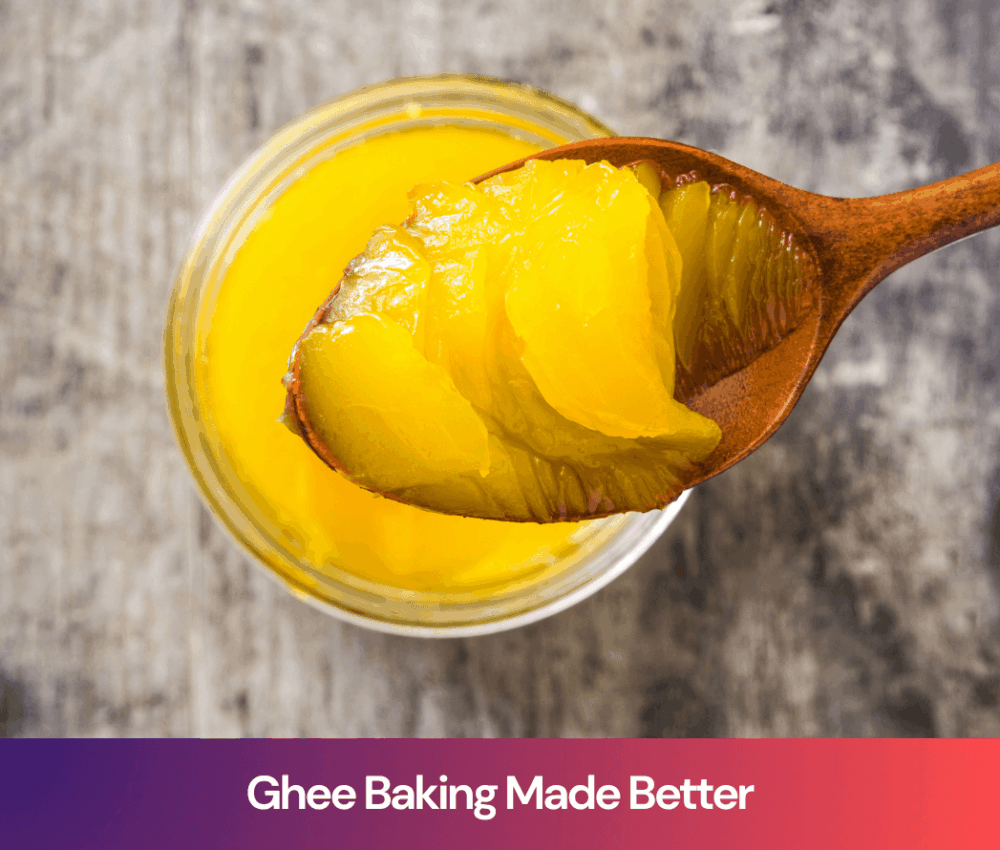
Ghee Baking Made Better: Tips and Benefits You Need to Know
Ghee Baking explained. Learn tips, benefits, and how Murli amrit ghee ...

Ghee Baking explained. Learn tips, benefits, and how Murli amrit ghee improves texture, flavour, and shelf life in baked recipes.
Baking usually brings butter and oil to mind. Cakes, cookies, breads. All built around those fats. But here’s the thing. More home bakers and professionals are quietly switching to ghee, and not just for tradition.
This article explores using ghee in baking, how it works, where it shines, and why a high-quality option like Murli amrit ghee fits naturally into modern ovens. We’ll break down taste, texture, health, and practical tips so you know exactly when and how to use ghee without ruining a recipe.
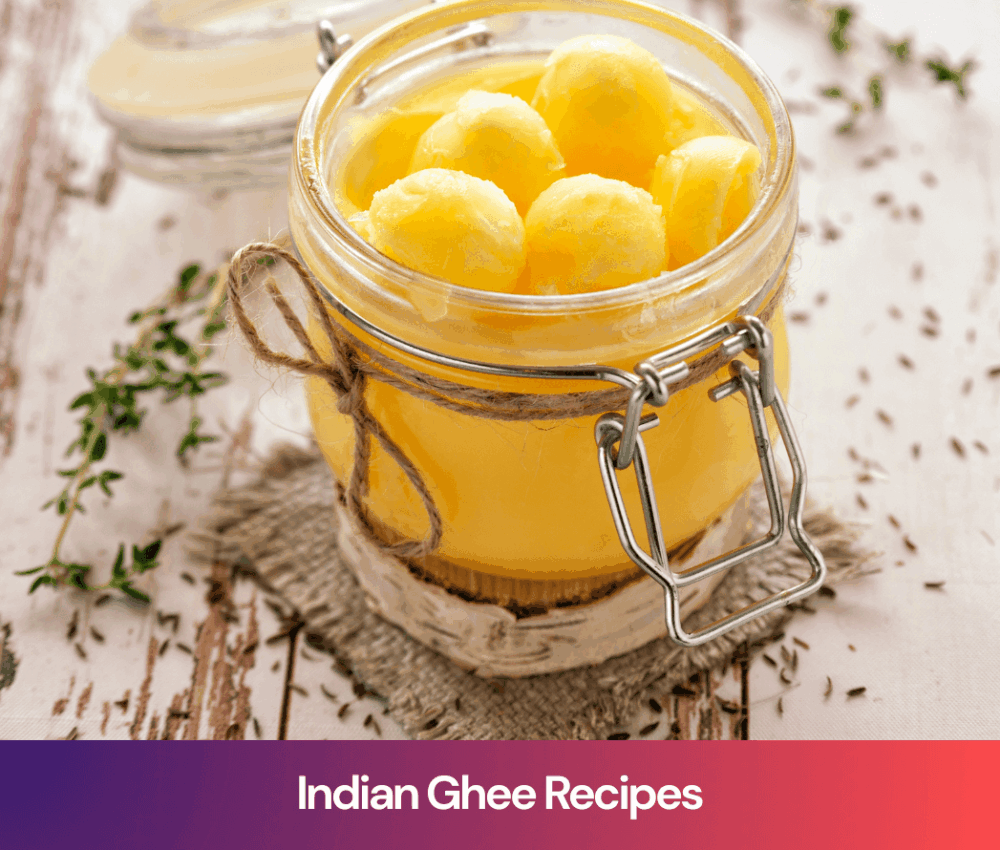
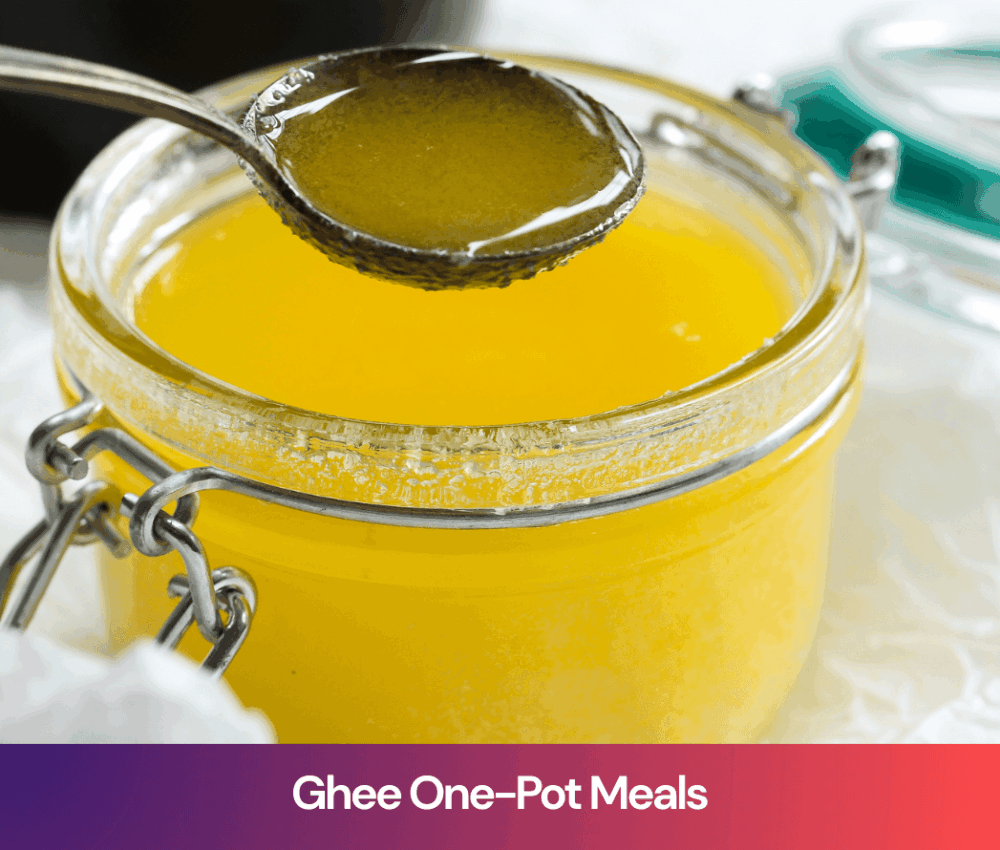
Ghee is clarified butter. The milk solids and water are removed, leaving behind pure fat. That one change makes a big difference in baking.
Key properties that matter:
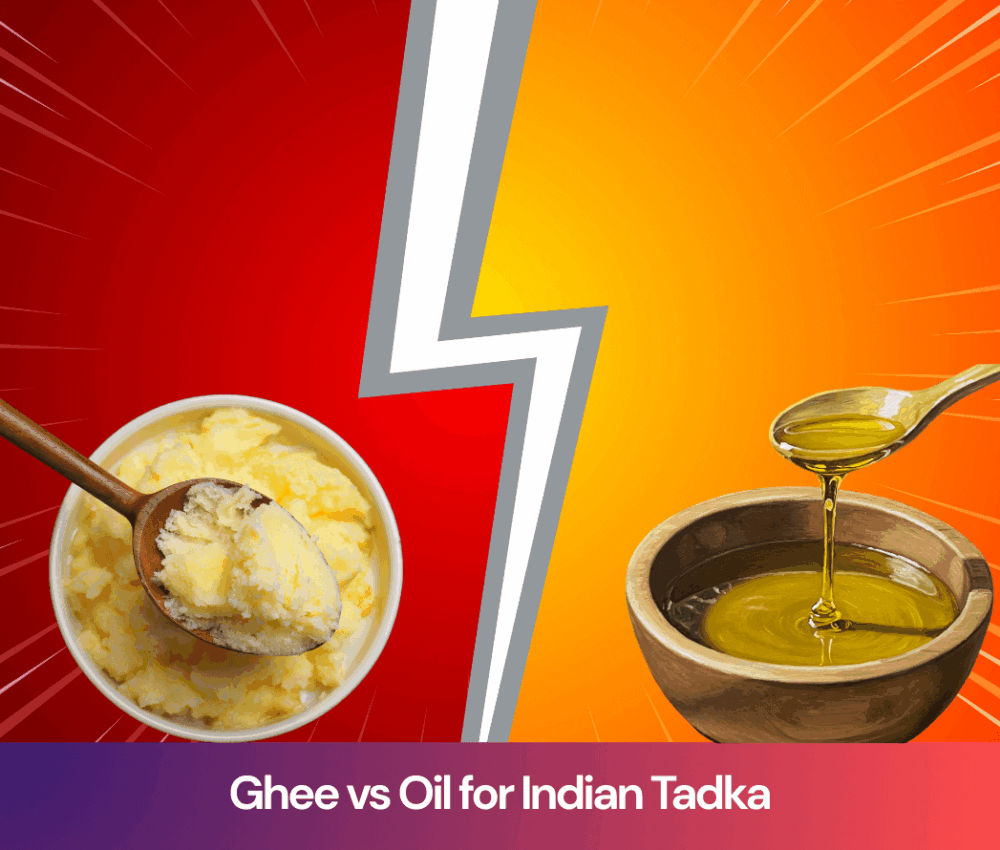
From a technical standpoint, butter is about 80 percent fat, while ghee is nearly 100 percent fat. That means recipes behave differently, especially in moisture control.
Some data worth noting:
This is why ghee baking isn’t just a swap. It’s a method.
One concern bakers have is flavour. Will ghee overpower the bake?
When used correctly, it doesn’t.
Ghee has a warm, nutty aroma that enhances:
Texture-wise, ghee produces:
Because there’s no water content, ghee doesn’t create steam the way butter does. This leads to more controlled structure.
A small bakery trial in Mumbai replaced butter with ghee in eggless pound cakes. The result was:
Using Murli amrit ghee, which is slow-cooked and aromatic, kept flavours balanced without any oily aftertaste.
This is where most people get stuck.
Here’s a simple rule that works in most cases.
Why the reduction? Butter has water. Ghee doesn’t. Using the same amount can make baked goods dense.
Best uses for ghee baking:
Less ideal for:
Once you adjust, ghee becomes predictable and reliable.
Baking often gets labelled as indulgent. Ghee doesn’t magically make desserts healthy, but it does improve the fat profile.
Here’s what stands out:
Some studies suggest:
For families baking at home, this matters. Using Murli amrit ghee means fewer additives and no industrial processing, which aligns with clean eating trends.
A working couple in Ahmedabad started replacing refined oil with ghee in weekend baking. Their goal was simple. Better taste, fewer ingredients.
What changed over a month:
They settled on using one trusted ghee for cooking and baking. That consistency helped them understand ratios faster and avoid trial-and-error fatigue.
This is the practical side of ghee baking. Once familiar, it simplifies decisions.
Ghee in baking isn’t a trend. It’s a return to stable, flavourful fats that work across sweet and savoury recipes.
It offers control, better shelf life, digestive comfort, and a distinct aroma when used correctly. Whether you’re baking for family or experimenting at home, Murli amrit ghee brings reliability without compromise.
Start small. Swap it into one recipe. Adjust once. You’ll quickly see where ghee fits best in your baking routine.
1. Can I use ghee instead of butter in all baking recipes?
Not all. It works best in cookies, cakes, and muffins but not laminated pastries.
2. Does ghee change the taste of cakes?
It adds a mild nutty note when used in the right quantity.
3. Is ghee suitable for eggless baking?
Yes. It works particularly well in eggless and Indian-style bakes.
4. How much ghee should I use instead of butter?
Use about 75-80 percent of the butter quantity.
5. Why choose Murli amrit ghee for baking?
Its purity, aroma, and traditional preparation make results consistent.