
Murli Amrit Ghee

Free Delivery Over ₹999

Why Chefs Prefer Cooking with Ghee in Professional Kitchens

This does three things:

Still reads natural, not robotic

Includes the focus keyword cooking with ghee

Clearly reflects the topic of the blog

Introduction: What Professional Kitchens Know That Home Cooks Often Miss

Walk into any serious kitchen and you’ll notice something interesting.

Despite endless oil options, many chefs still reach for ghee. Not out of nostalgia, but because it works. Better heat control. Better flavor. Better results on the plate.

This blog breaks down why chefs prefer cooking with ghee, how it performs under pressure, and why traditional options like Murli amrit ghee continue to earn a place in professional and modern kitchens alike.

If you care about taste, consistency, and cooking smart, this one’s for you.

High-Heat Performance: Where Ghee Outshines Most Oils

Chefs cook under heat. Real heat.

One of the biggest reasons professionals trust ghee is its high smoke point, roughly 240–250°C, higher than most commonly used oils.

Why this matters:

  • Oils that smoke early break down and turn bitter
  • Burnt fats affect taste and aroma
  • Repeated heating degrades oil quality

Ghee stays stable.

Some useful stats:

  • Ghee’s smoke point is about 30–40% higher than butter
  • Refined vegetable oils begin oxidizing when reheated multiple times
  • Oxidized fats increase off-flavors and reduce shelf life of dishes
  • Stable fats improve consistency in professional cooking

For chefs, predictability is everything. Ghee delivers that.

Flavor Enhancement Without Dominating the Dish

Chefs don’t want fat that steals the spotlight. They want fat that supports flavor.

Ghee has a mild, nutty aroma that:

  • Enhances ingredients instead of masking them
  • Works across cuisines, not just Indian food
  • Adds richness without greasiness

This is especially useful in:

  • Slow-cooked gravies
  • Sautéed vegetables
  • Grains and rice-based dishes
  • Finishing sauces

Unlike strong oils, ghee doesn’t leave an aftertaste. That’s a big win in professional plating.

Consistency, Shelf Stability, and Kitchen Efficiency

Professional kitchens value ingredients that behave well over time.

Ghee checks important boxes:

  • No refrigeration needed
  • Long shelf life due to low moisture
  • Stable texture across temperatures

According to food science data:

  • Ghee contains less than 0.5% moisture
  • Lower moisture reduces microbial growth
  • Shelf life can extend beyond 6–9 months when stored properly
  • Less waste compared to butter or blended fats

This reliability is one reason chefs stock ghee even in high-volume kitchens.

Health Perception Matters in Modern Menus

Today’s diners care about what goes into their food.

Chefs are adapting menus to reflect this shift. Ghee fits well because:

  • It’s free from trans fats
  • Contains fat-soluble vitamins like A, D, E, and K
  • Includes short-chain fatty acids like butyric acid

Some relevant insights:

  • Butyric acid supports gut health and digestion
  • Traditional fats improve satiety, reducing overeating
  • Clean-label ingredients influence menu choices
  • Customers increasingly prefer recognizable fats over processed oils

Using ghee allows chefs to balance taste with perception, without making health claims they can’t support.

A Real-World Example: Switching Oils in a Restaurant Kitchen

A mid-scale restaurant experimented with replacing refined oil with ghee for select dishes.

The results over one month:

  • Reduced oil usage by nearly 20%
  • Improved aroma in hot dishes
  • Fewer customer complaints about heaviness
  • Better flavor retention in reheated items

The kitchen team noted that Murli amrit ghee performed consistently even during long service hours, without burning or breaking down.

This kind of operational feedback matters more than theory.

Why Traditional Ghee Appeals to Modern Chefs

Not all ghee is equal.

Chefs look for:

  • Clean aroma
  • Smooth mouthfeel
  • No artificial after-smell
  • Minimal processing

Traditional desi cow ghee, like Murli amrit ghee, offers:

  • Slow-prepared texture
  • Natural nutty notes
  • Better performance in finishing and sautéing

That’s why chefs often use ghee not just for cooking, but for final plating touches.

How Chefs Use Ghee Strategically (Not Excessively)

Professional kitchens don’t drown food in ghee. They use it smartly.

Common chef-approved uses

  • Tempering spices at controlled heat
  • Finishing dal or rice
  • Sautéing aromatics
  • Adding shine before plating

The key is restraint. A little ghee goes a long way when quality is right.

Conclusion: Why Ghee Earns Its Place in Professional Kitchens

Chefs choose ingredients that work under pressure.

Cooking with ghee offers:

  • Heat stability
  • Flavor balance
  • Operational reliability
  • Better customer experience

It’s not about tradition alone. It’s about performance.

If you want to cook with more confidence and less guesswork, ghee is a smart upgrade.

Call to Action:
Try replacing your regular cooking oil with a teaspoon of ghee in one dish this week. Pay attention to flavor, aroma, and how the food feels.

Frequently Asked Questions

1. Why do chefs prefer cooking with ghee over oil?

Because ghee handles high heat better and enhances flavor without burning.

2. Is ghee suitable for restaurant-style cooking?

Yes. Its stability and shelf life make it ideal for professional kitchens.

3. Does ghee change the taste of food?

It enhances natural flavors without overpowering them.

4. Is Murli amrit ghee used for everyday cooking?

Yes, especially for sautéing, finishing, and tempering.

5. Can ghee replace oil completely?

It can be used for many dishes, especially those needing heat stability and aroma.

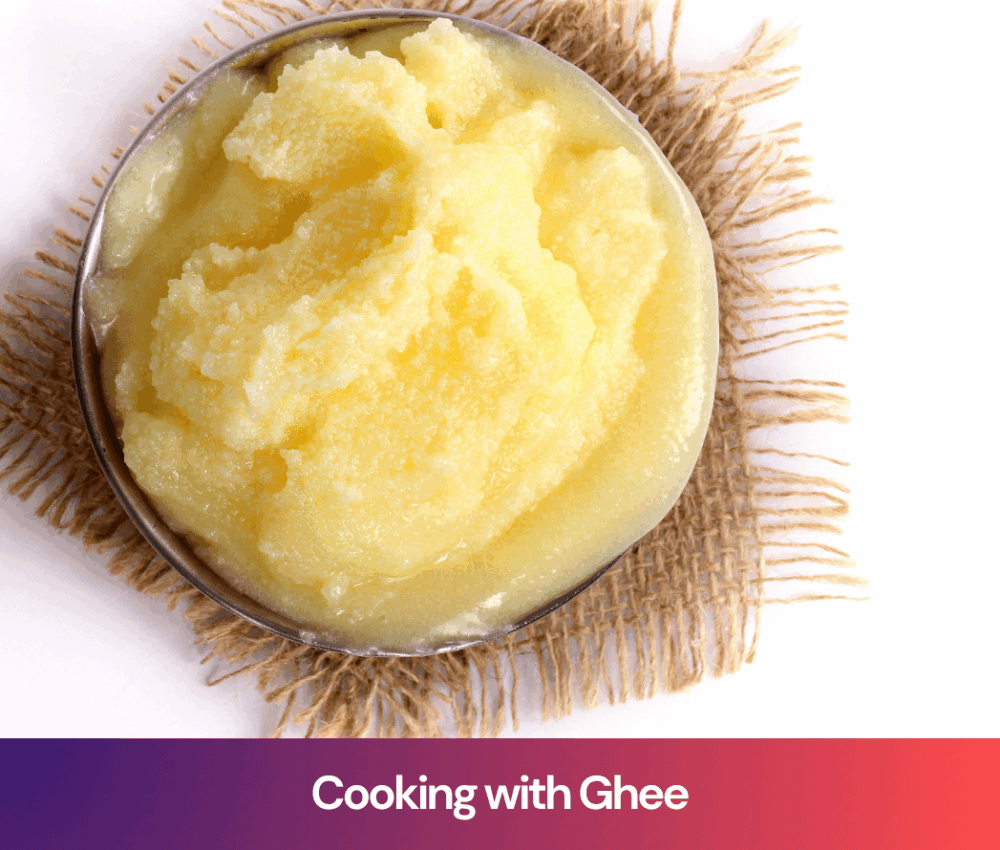
Cooking with Ghee: Why Chefs Prefer It Over Other Cooking Fats

Cooking with Ghee: Why Chefs Prefer It Over Other Cooking Fats

Why Chefs Prefer Cooking with Ghee in Professional Kitchens

This does three things:

Still reads natural, not robotic

Includes the focus keyword cooking with ghee

Clearly reflects the topic of the blog

Introduction: What Professional Kitchens Know That Home Cooks Often Miss

Walk into any serious kitchen and you’ll notice something interesting.

Despite endless oil options, many chefs still reach for ghee. Not out of nostalgia, but because it works. Better heat control. Better flavor. Better results on the plate.

This blog breaks down why chefs prefer cooking with ghee, how it performs under pressure, and why traditional options like Murli amrit ghee continue to earn a place in professional and modern kitchens alike.

If you care about taste, consistency, and cooking smart, this one’s for you.

High-Heat Performance: Where Ghee Outshines Most Oils

Chefs cook under heat. Real heat.

One of the biggest reasons professionals trust ghee is its high smoke point, roughly 240–250°C, higher than most commonly used oils.

Why this matters:

  • Oils that smoke early break down and turn bitter
  • Burnt fats affect taste and aroma
  • Repeated heating degrades oil quality

Ghee stays stable.

Some useful stats:

  • Ghee’s smoke point is about 30–40% higher than butter
  • Refined vegetable oils begin oxidizing when reheated multiple times
  • Oxidized fats increase off-flavors and reduce shelf life of dishes
  • Stable fats improve consistency in professional cooking

For chefs, predictability is everything. Ghee delivers that.

Flavor Enhancement Without Dominating the Dish

Chefs don’t want fat that steals the spotlight. They want fat that supports flavor.

Ghee has a mild, nutty aroma that:

  • Enhances ingredients instead of masking them
  • Works across cuisines, not just Indian food
  • Adds richness without greasiness

This is especially useful in:

  • Slow-cooked gravies
  • Sautéed vegetables
  • Grains and rice-based dishes
  • Finishing sauces

Unlike strong oils, ghee doesn’t leave an aftertaste. That’s a big win in professional plating.

Consistency, Shelf Stability, and Kitchen Efficiency

Professional kitchens value ingredients that behave well over time.

Ghee checks important boxes:

  • No refrigeration needed
  • Long shelf life due to low moisture
  • Stable texture across temperatures

According to food science data:

  • Ghee contains less than 0.5% moisture
  • Lower moisture reduces microbial growth
  • Shelf life can extend beyond 6–9 months when stored properly
  • Less waste compared to butter or blended fats

This reliability is one reason chefs stock ghee even in high-volume kitchens.

Health Perception Matters in Modern Menus

Today’s diners care about what goes into their food.

Chefs are adapting menus to reflect this shift. Ghee fits well because:

  • It’s free from trans fats
  • Contains fat-soluble vitamins like A, D, E, and K
  • Includes short-chain fatty acids like butyric acid

Some relevant insights:

  • Butyric acid supports gut health and digestion
  • Traditional fats improve satiety, reducing overeating
  • Clean-label ingredients influence menu choices
  • Customers increasingly prefer recognizable fats over processed oils

Using ghee allows chefs to balance taste with perception, without making health claims they can’t support.

A Real-World Example: Switching Oils in a Restaurant Kitchen

A mid-scale restaurant experimented with replacing refined oil with ghee for select dishes.

The results over one month:

  • Reduced oil usage by nearly 20%
  • Improved aroma in hot dishes
  • Fewer customer complaints about heaviness
  • Better flavor retention in reheated items

The kitchen team noted that Murli amrit ghee performed consistently even during long service hours, without burning or breaking down.

This kind of operational feedback matters more than theory.

Why Traditional Ghee Appeals to Modern Chefs

Not all ghee is equal.

Chefs look for:

  • Clean aroma
  • Smooth mouthfeel
  • No artificial after-smell
  • Minimal processing

Traditional desi cow ghee, like Murli amrit ghee, offers:

  • Slow-prepared texture
  • Natural nutty notes
  • Better performance in finishing and sautéing

That’s why chefs often use ghee not just for cooking, but for final plating touches.

How Chefs Use Ghee Strategically (Not Excessively)

Professional kitchens don’t drown food in ghee. They use it smartly.

Common chef-approved uses

  • Tempering spices at controlled heat
  • Finishing dal or rice
  • Sautéing aromatics
  • Adding shine before plating

The key is restraint. A little ghee goes a long way when quality is right.

Conclusion: Why Ghee Earns Its Place in Professional Kitchens

Chefs choose ingredients that work under pressure.

Cooking with ghee offers:

  • Heat stability
  • Flavor balance
  • Operational reliability
  • Better customer experience

It’s not about tradition alone. It’s about performance.

If you want to cook with more confidence and less guesswork, ghee is a smart upgrade.

Call to Action:
Try replacing your regular cooking oil with a teaspoon of ghee in one dish this week. Pay attention to flavor, aroma, and how the food feels.

Frequently Asked Questions

1. Why do chefs prefer cooking with ghee over oil?

Because ghee handles high heat better and enhances flavor without burning.

2. Is ghee suitable for restaurant-style cooking?

Yes. Its stability and shelf life make it ideal for professional kitchens.

3. Does ghee change the taste of food?

It enhances natural flavors without overpowering them.

4. Is Murli amrit ghee used for everyday cooking?

Yes, especially for sautéing, finishing, and tempering.

5. Can ghee replace oil completely?

It can be used for many dishes, especially those needing heat stability and aroma.

Checkout
0
    Your Cart
    Your cart is emptyReturn to Shop

    🎉 Wait! Special Discount for You

    We noticed you're about to remove an item from your cart. Here's a 10% OFF coupon for your next purchase!

    SAVE10
    (Click to copy)
    0 item 0
    0