
Murli Amrit Ghee

Free Delivery Over ₹999

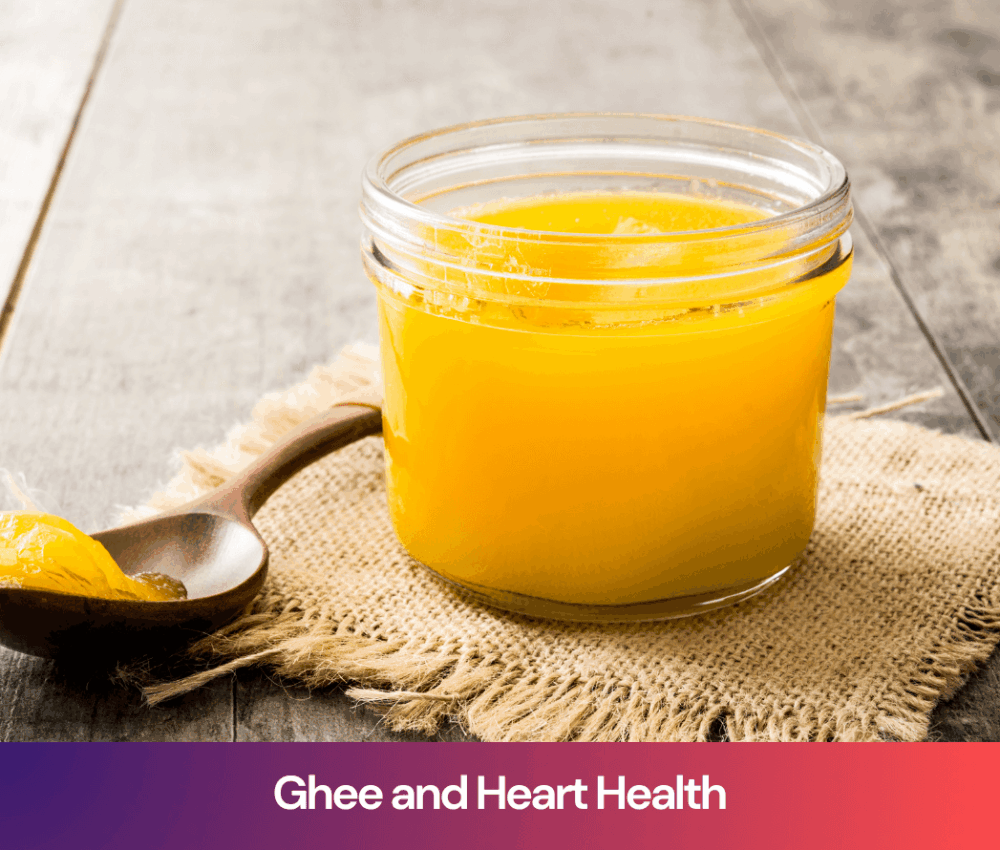
Is ghee good for the heart? Learn the truth about Ghee and Heart Health, cholesterol, fats, and how Murli amrit ghee fits into a heart-smart diet.

Introduction: The Ghee vs Heart Health Debate

For years, ghee has been caught in a tug of war. On one side, it’s a staple of Indian kitchens, Ayurveda, and traditional wisdom. On the other, it’s often blamed for high cholesterol and heart problems because of its fat content.

So what’s the real story?

This blog takes a clear, evidence-backed look at Ghee and Heart Health. We’ll break down how ghee affects cholesterol, what science actually says about saturated fats, when ghee supports heart health, and when it doesn’t. We’ll also explain why quality matters and where traditionally prepared options like Murli amrit ghee fit in.

No fear-mongering. No blind praise. Just clarity.

1. Understanding Ghee’s Fat Profile and Its Impact on the Heart

Let’s start with what ghee is made of.

Ghee is primarily fat, but not all fats behave the same way in the body.

Fat Composition of Ghee

  • Saturated fats: ~60–65%
  • Monounsaturated fats: ~25–30%
  • Polyunsaturated fats: ~5%
  • Natural cholesterol and fat-soluble vitamins (A, D, E, K)

Stat #1: According to nutrition data, about 65% of ghee’s fats are saturated, which is why it often raises concerns about heart health.

But here’s the thing. Saturated fat alone doesn’t automatically equal heart disease. The type of saturated fat, overall diet, lifestyle, and quantity consumed matter far more.

Ghee contains short- and medium-chain fatty acids that are metabolized differently from long-chain fats found in processed foods.

2. Ghee, Cholesterol, and What Research Actually Says

Cholesterol is where most of the confusion lies.

The Old Assumption

Eating ghee raises cholesterol, which clogs arteries and increases heart disease risk.

What Research Shows

  • Ghee may increase HDL (good cholesterol) when consumed in moderation.
  • HDL helps remove excess cholesterol from the bloodstream.
  • The effect on LDL (bad cholesterol) depends on overall diet and lifestyle.

Stat #2: A study published in the Indian Journal of Medical Research found that moderate ghee consumption did not increase LDL levels and, in some cases, improved HDL cholesterol.

Stat #3: Rural Indian populations consuming traditional fats like ghee historically showed lower rates of coronary heart disease compared to urban populations consuming refined oils and processed foods.

What this really means is that ghee isn’t harmful by default. The problem arises when it’s combined with:

  • Sedentary lifestyle
  • Excess calories
  • High sugar and refined carb intake

3. How Ghee Supports Heart Health When Used Correctly

Used wisely, ghee can actually support heart health rather than harm it.

Heart-Friendly Properties of Ghee

  • Rich in butyric acid:
    Supports gut health and reduces inflammation, which is linked to heart disease.
  • Contains omega-3 fatty acids:
    Helps maintain healthy blood vessels and reduces oxidative stress.
  • High smoke point (250°C):
    Reduces formation of harmful free radicals during cooking.

Stat #4: Oils heated beyond their smoke point produce up to 40% more oxidative compounds, which contribute to arterial damage. Ghee remains stable at high heat.

This makes ghee a safer option for Indian cooking styles that involve high temperatures.

4. Quantity Matters: How Much Ghee Is Safe for the Heart?

This is where many people go wrong.

Ghee is not meant to be poured generously without thought. It’s nutrient-dense and calorie-rich.

Recommended Intake

  • Healthy adults: 1–2 teaspoons per day
  • Active individuals: Up to 3 teaspoons, adjusted for total fat intake
  • People with heart risk factors: Consult a doctor, but moderation is key

Best Ways to Include Ghee

  • Add to hot rotis or rice instead of refined oil
  • Use for tempering instead of reheated seed oils
  • Replace hydrogenated fats with small amounts of ghee

Used this way, ghee supports satiety, reduces overeating, and integrates well into a balanced diet.

5. Real-Life Example: Traditional Diet vs Modern Fat Intake

Consider this simple comparison.

Case Example

Two individuals with similar genetics and age:

  • Person A consumes home-cooked meals with moderate ghee
  • Person B consumes refined oils, bakery fats, and fried snacks

After one year:

  • Person A shows stable cholesterol and better HDL levels
  • Person B shows higher triglycerides and markers of inflammation

This pattern aligns with multiple population studies linking heart disease more strongly to processed fats and refined carbs than to traditional fats like ghee.

Quality also matters. Traditionally prepared ghee, such as Murli amrit ghee, avoids trans fats and chemical processing, making it a better choice for long-term heart health.

Conclusion: So, Is Ghee Good for Heart Health?

Ghee is not the villain it’s often made out to be.

When consumed:

  • In moderation
  • As part of a balanced diet
  • Alongside physical activity
  • In its traditional, pure form

Ghee can fit safely into a heart-conscious lifestyle.

The real risk to heart health comes from excess calories, processed foods, trans fats, and inactivity. Not from a spoon of well-made ghee.

Frequently Asked Questions (FAQs)

1. Does ghee increase cholesterol?

Ghee may increase HDL (good cholesterol). Its effect on LDL depends on overall diet and lifestyle.

2. Is ghee better than refined oil for the heart?

Yes, especially for high-heat cooking, as ghee is more stable and produces fewer harmful compounds.

3. Can heart patients eat ghee?

In small amounts and under medical guidance, many heart patients can safely include ghee.

4. How much ghee is safe daily?

Generally 1–2 teaspoons per day for healthy adults.

5. Does A2 ghee make a difference?

A2 ghee is often easier to digest and less inflammatory for some people, supporting overall metabolic health.

Ghee and Heart Health: Is Ghee Actually Good for Your Heart?

Ghee and Heart Health: Is Ghee Actually Good for Your Heart?

Is ghee good for the heart? Learn the truth about Ghee and Heart Health, cholesterol, fats, and how Murli amrit ghee fits into a heart-smart diet.

Introduction: The Ghee vs Heart Health Debate

For years, ghee has been caught in a tug of war. On one side, it’s a staple of Indian kitchens, Ayurveda, and traditional wisdom. On the other, it’s often blamed for high cholesterol and heart problems because of its fat content.

So what’s the real story?

This blog takes a clear, evidence-backed look at Ghee and Heart Health. We’ll break down how ghee affects cholesterol, what science actually says about saturated fats, when ghee supports heart health, and when it doesn’t. We’ll also explain why quality matters and where traditionally prepared options like Murli amrit ghee fit in.

No fear-mongering. No blind praise. Just clarity.

1. Understanding Ghee’s Fat Profile and Its Impact on the Heart

Let’s start with what ghee is made of.

Ghee is primarily fat, but not all fats behave the same way in the body.

Fat Composition of Ghee

  • Saturated fats: ~60–65%
  • Monounsaturated fats: ~25–30%
  • Polyunsaturated fats: ~5%
  • Natural cholesterol and fat-soluble vitamins (A, D, E, K)

Stat #1: According to nutrition data, about 65% of ghee’s fats are saturated, which is why it often raises concerns about heart health.

But here’s the thing. Saturated fat alone doesn’t automatically equal heart disease. The type of saturated fat, overall diet, lifestyle, and quantity consumed matter far more.

Ghee contains short- and medium-chain fatty acids that are metabolized differently from long-chain fats found in processed foods.

2. Ghee, Cholesterol, and What Research Actually Says

Cholesterol is where most of the confusion lies.

The Old Assumption

Eating ghee raises cholesterol, which clogs arteries and increases heart disease risk.

What Research Shows

  • Ghee may increase HDL (good cholesterol) when consumed in moderation.
  • HDL helps remove excess cholesterol from the bloodstream.
  • The effect on LDL (bad cholesterol) depends on overall diet and lifestyle.

Stat #2: A study published in the Indian Journal of Medical Research found that moderate ghee consumption did not increase LDL levels and, in some cases, improved HDL cholesterol.

Stat #3: Rural Indian populations consuming traditional fats like ghee historically showed lower rates of coronary heart disease compared to urban populations consuming refined oils and processed foods.

What this really means is that ghee isn’t harmful by default. The problem arises when it’s combined with:

  • Sedentary lifestyle
  • Excess calories
  • High sugar and refined carb intake

3. How Ghee Supports Heart Health When Used Correctly

Used wisely, ghee can actually support heart health rather than harm it.

Heart-Friendly Properties of Ghee

  • Rich in butyric acid:
    Supports gut health and reduces inflammation, which is linked to heart disease.
  • Contains omega-3 fatty acids:
    Helps maintain healthy blood vessels and reduces oxidative stress.
  • High smoke point (250°C):
    Reduces formation of harmful free radicals during cooking.

Stat #4: Oils heated beyond their smoke point produce up to 40% more oxidative compounds, which contribute to arterial damage. Ghee remains stable at high heat.

This makes ghee a safer option for Indian cooking styles that involve high temperatures.

4. Quantity Matters: How Much Ghee Is Safe for the Heart?

This is where many people go wrong.

Ghee is not meant to be poured generously without thought. It’s nutrient-dense and calorie-rich.

Recommended Intake

  • Healthy adults: 1–2 teaspoons per day
  • Active individuals: Up to 3 teaspoons, adjusted for total fat intake
  • People with heart risk factors: Consult a doctor, but moderation is key

Best Ways to Include Ghee

  • Add to hot rotis or rice instead of refined oil
  • Use for tempering instead of reheated seed oils
  • Replace hydrogenated fats with small amounts of ghee

Used this way, ghee supports satiety, reduces overeating, and integrates well into a balanced diet.

5. Real-Life Example: Traditional Diet vs Modern Fat Intake

Consider this simple comparison.

Case Example

Two individuals with similar genetics and age:

  • Person A consumes home-cooked meals with moderate ghee
  • Person B consumes refined oils, bakery fats, and fried snacks

After one year:

  • Person A shows stable cholesterol and better HDL levels
  • Person B shows higher triglycerides and markers of inflammation

This pattern aligns with multiple population studies linking heart disease more strongly to processed fats and refined carbs than to traditional fats like ghee.

Quality also matters. Traditionally prepared ghee, such as Murli amrit ghee, avoids trans fats and chemical processing, making it a better choice for long-term heart health.

Conclusion: So, Is Ghee Good for Heart Health?

Ghee is not the villain it’s often made out to be.

When consumed:

  • In moderation
  • As part of a balanced diet
  • Alongside physical activity
  • In its traditional, pure form

Ghee can fit safely into a heart-conscious lifestyle.

The real risk to heart health comes from excess calories, processed foods, trans fats, and inactivity. Not from a spoon of well-made ghee.

Frequently Asked Questions (FAQs)

1. Does ghee increase cholesterol?

Ghee may increase HDL (good cholesterol). Its effect on LDL depends on overall diet and lifestyle.

2. Is ghee better than refined oil for the heart?

Yes, especially for high-heat cooking, as ghee is more stable and produces fewer harmful compounds.

3. Can heart patients eat ghee?

In small amounts and under medical guidance, many heart patients can safely include ghee.

4. How much ghee is safe daily?

Generally 1–2 teaspoons per day for healthy adults.

5. Does A2 ghee make a difference?

A2 ghee is often easier to digest and less inflammatory for some people, supporting overall metabolic health.

Checkout
0
    Your Cart
    Your cart is emptyReturn to Shop

    🎉 Wait! Special Discount for You

    We noticed you're about to remove an item from your cart. Here's a 10% OFF coupon for your next purchase!

    SAVE10
    (Click to copy)
    0 item 0
    0