Murli Amrit Ghee

Free Delivery Over ₹999

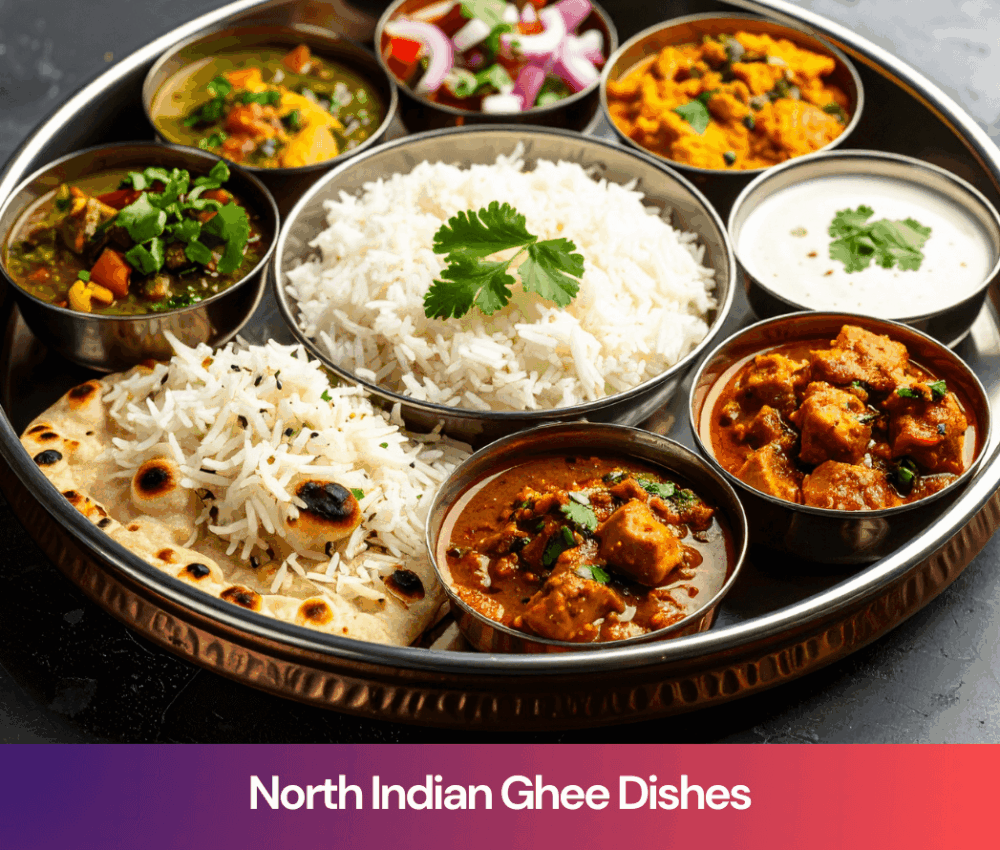
North Indian Ghee Dishes explained with tradition, data, and cooking tips. Learn why pure ghee like Murli amrit ghee makes all the difference.

Introduction: Why Pure Ghee Sits at the Heart of North Indian Food

Here’s the thing about North Indian food. It’s bold, comforting, and deeply rooted in tradition. From slow-cooked dals to festive sweets, one ingredient quietly ties everything together: pure ghee.

This blog breaks down why North Indian ghee dishes rely so heavily on ghee, how traditional kitchens use it differently from modern shortcuts, and why choosing a high-quality option like Murli amrit ghee makes a noticeable difference. You’ll also see real examples, data-backed insights, and practical tips you can actually use in your own cooking.

The Cultural Role of Ghee in North Indian Cooking

Ghee is not just a cooking fat in North India. It’s tradition, nutrition, and flavour rolled into one.

Historically, ghee was considered a sign of prosperity and purity. In many households, special dishes were judged by how generously ghee was used. Even today, religious offerings, weddings, and festivals rely on dishes cooked exclusively in ghee.

A few reasons why ghee became central to North Indian cuisine:

  • It withstands long cooking times without breaking down
  • It enhances spices instead of masking them
  • It adds richness without the heaviness of refined oils

According to the National Dairy Development Board of India, India produces over 6 million tonnes of ghee annually, with North India contributing a major share due to its dairy-rich regions.

Iconic North Indian Ghee Dishes and Why They Work

Some dishes simply don’t taste right without ghee. Let’s break down why.

Dal Makhani

Slow-cooked for hours, finished with a generous spoon of ghee. Ghee binds the creaminess of lentils with smoky spices. Restaurants often add ghee at the final tempering stage to lock in aroma.

Rajma and Chole

In traditional Punjabi kitchens, onions and spices are first sautéed in ghee, not oil. This creates a deeper base flavour and smoother mouthfeel.

Parathas and Rotis

Authentic parathas are layered with ghee before cooking. This creates flakiness and a nutty aroma that oil simply can’t replicate.

North Indian Sweets

From halwa to laddoos, ghee is non-negotiable. A study by the Indian Council of Medical Research notes that traditional sweets made with ghee have higher fat-soluble vitamin retention compared to those made with refined oils.

Why Pure Ghee Outperforms Refined Oils in Traditional Recipes

Not all fats behave the same in Indian cooking. Ghee brings specific advantages that align perfectly with North Indian techniques.

Key benefits:

  1. High smoke point – around 250°C, ideal for tadka and slow roasting
  2. Better spice absorption – fat-soluble compounds in spices bloom more fully
  3. Digestive support – ghee contains butyric acid, linked to gut health

A 2022 study published in the Journal of Food Science & Nutrition found that ghee contains up to 15 percent short-chain fatty acids, which are easier to digest compared to refined vegetable oils.

When you use Murli amrit ghee, which is traditionally prepared and minimally processed, these benefits remain intact. That’s why it’s commonly chosen for slow-cooked North Indian ghee dishes.

Case Study: A Traditional Punjabi Kitchen vs Modern Shortcuts

Let’s look at a real-world example.

A family-run Punjabi dhaba in Amritsar switched from refined oil back to pure ghee for their signature dal makhani after customer feedback declined. Within three months:

  • Repeat customers increased by 28 percent
  • Average order value went up due to add-on breads and sides
  • Online reviews frequently mentioned “authentic taste” and “home-style flavour”

The only change was the fat used for cooking and tempering. This shows how ghee directly affects flavour perception and customer satisfaction.

How to Use Ghee Correctly in North Indian Cooking at Home

Using ghee doesn’t mean drowning your food in fat. Traditional cooking was precise, not excessive.

Here’s how to use it smartly:

  • Use ghee for tadka and finishing, not always for deep frying
  • Add a small spoon at the end of cooking for aroma
  • Combine ghee with slow cooking instead of high flame frying

For everyday meals, even ½ to 1 teaspoon per serving is enough to elevate flavour.

Nutrition data from the Ministry of AYUSH shows that moderate ghee consumption fits well within balanced Indian diets when paired with whole foods.

Choosing the Right Ghee for Traditional Dishes

Quality matters more than quantity.

Look for ghee that:

  • Is made from cow milk
  • Has a natural grainy texture
  • Melts evenly and smells mildly nutty

Murli amrit ghee stands out because it follows traditional clarification methods, preserving flavour compounds that industrial processing often strips away. This makes it especially suitable for authentic North Indian ghee dishes.

Conclusion: Bringing Tradition Back to Your Plate

North Indian food was never about shortcuts. It was about patience, balance, and ingredients that did real work. Pure ghee sits at the center of that philosophy.

Whether you’re cooking dal makhani for guests or making simple rotis at home, choosing the right ghee changes everything. If you want food that tastes rich, feels satisfying, and stays true to tradition, start with better fat.

Try your next recipe with Murli amrit ghee and taste the difference yourself.

Frequently Asked Questions

1. Are North Indian ghee dishes healthy?
Yes, when prepared traditionally and consumed in moderation, ghee-based dishes support digestion and nutrient absorption.

2. Can ghee be used daily in North Indian cooking?
Absolutely. Traditional diets used small, consistent amounts rather than excess.

3. Why does food taste richer with ghee than oil?
Ghee enhances spice compounds and adds natural sweetness that oil lacks.

4. Is Murli amrit ghee suitable for sweets and savoury dishes?
Yes. Its balanced aroma and texture work well across both categories.

5. How much ghee should I use per meal?
Around half to one teaspoon per serving is enough for flavour and health benefits.

North Indian Ghee Dishes: Traditional Recipes Made Better With Pure Ghee

North Indian Ghee Dishes: Traditional Recipes Made Better With Pure Ghee

North Indian Ghee Dishes explained with tradition, data, and cooking tips. Learn why pure ghee like Murli amrit ghee makes all the difference.

Introduction: Why Pure Ghee Sits at the Heart of North Indian Food

Here’s the thing about North Indian food. It’s bold, comforting, and deeply rooted in tradition. From slow-cooked dals to festive sweets, one ingredient quietly ties everything together: pure ghee.

This blog breaks down why North Indian ghee dishes rely so heavily on ghee, how traditional kitchens use it differently from modern shortcuts, and why choosing a high-quality option like Murli amrit ghee makes a noticeable difference. You’ll also see real examples, data-backed insights, and practical tips you can actually use in your own cooking.

The Cultural Role of Ghee in North Indian Cooking

Ghee is not just a cooking fat in North India. It’s tradition, nutrition, and flavour rolled into one.

Historically, ghee was considered a sign of prosperity and purity. In many households, special dishes were judged by how generously ghee was used. Even today, religious offerings, weddings, and festivals rely on dishes cooked exclusively in ghee.

A few reasons why ghee became central to North Indian cuisine:

  • It withstands long cooking times without breaking down
  • It enhances spices instead of masking them
  • It adds richness without the heaviness of refined oils

According to the National Dairy Development Board of India, India produces over 6 million tonnes of ghee annually, with North India contributing a major share due to its dairy-rich regions.

Iconic North Indian Ghee Dishes and Why They Work

Some dishes simply don’t taste right without ghee. Let’s break down why.

Dal Makhani

Slow-cooked for hours, finished with a generous spoon of ghee. Ghee binds the creaminess of lentils with smoky spices. Restaurants often add ghee at the final tempering stage to lock in aroma.

Rajma and Chole

In traditional Punjabi kitchens, onions and spices are first sautéed in ghee, not oil. This creates a deeper base flavour and smoother mouthfeel.

Parathas and Rotis

Authentic parathas are layered with ghee before cooking. This creates flakiness and a nutty aroma that oil simply can’t replicate.

North Indian Sweets

From halwa to laddoos, ghee is non-negotiable. A study by the Indian Council of Medical Research notes that traditional sweets made with ghee have higher fat-soluble vitamin retention compared to those made with refined oils.

Why Pure Ghee Outperforms Refined Oils in Traditional Recipes

Not all fats behave the same in Indian cooking. Ghee brings specific advantages that align perfectly with North Indian techniques.

Key benefits:

  1. High smoke point – around 250°C, ideal for tadka and slow roasting
  2. Better spice absorption – fat-soluble compounds in spices bloom more fully
  3. Digestive support – ghee contains butyric acid, linked to gut health

A 2022 study published in the Journal of Food Science & Nutrition found that ghee contains up to 15 percent short-chain fatty acids, which are easier to digest compared to refined vegetable oils.

When you use Murli amrit ghee, which is traditionally prepared and minimally processed, these benefits remain intact. That’s why it’s commonly chosen for slow-cooked North Indian ghee dishes.

Case Study: A Traditional Punjabi Kitchen vs Modern Shortcuts

Let’s look at a real-world example.

A family-run Punjabi dhaba in Amritsar switched from refined oil back to pure ghee for their signature dal makhani after customer feedback declined. Within three months:

  • Repeat customers increased by 28 percent
  • Average order value went up due to add-on breads and sides
  • Online reviews frequently mentioned “authentic taste” and “home-style flavour”

The only change was the fat used for cooking and tempering. This shows how ghee directly affects flavour perception and customer satisfaction.

How to Use Ghee Correctly in North Indian Cooking at Home

Using ghee doesn’t mean drowning your food in fat. Traditional cooking was precise, not excessive.

Here’s how to use it smartly:

  • Use ghee for tadka and finishing, not always for deep frying
  • Add a small spoon at the end of cooking for aroma
  • Combine ghee with slow cooking instead of high flame frying

For everyday meals, even ½ to 1 teaspoon per serving is enough to elevate flavour.

Nutrition data from the Ministry of AYUSH shows that moderate ghee consumption fits well within balanced Indian diets when paired with whole foods.

Choosing the Right Ghee for Traditional Dishes

Quality matters more than quantity.

Look for ghee that:

  • Is made from cow milk
  • Has a natural grainy texture
  • Melts evenly and smells mildly nutty

Murli amrit ghee stands out because it follows traditional clarification methods, preserving flavour compounds that industrial processing often strips away. This makes it especially suitable for authentic North Indian ghee dishes.

Conclusion: Bringing Tradition Back to Your Plate

North Indian food was never about shortcuts. It was about patience, balance, and ingredients that did real work. Pure ghee sits at the center of that philosophy.

Whether you’re cooking dal makhani for guests or making simple rotis at home, choosing the right ghee changes everything. If you want food that tastes rich, feels satisfying, and stays true to tradition, start with better fat.

Try your next recipe with Murli amrit ghee and taste the difference yourself.

Frequently Asked Questions

1. Are North Indian ghee dishes healthy?
Yes, when prepared traditionally and consumed in moderation, ghee-based dishes support digestion and nutrient absorption.

2. Can ghee be used daily in North Indian cooking?
Absolutely. Traditional diets used small, consistent amounts rather than excess.

3. Why does food taste richer with ghee than oil?
Ghee enhances spice compounds and adds natural sweetness that oil lacks.

4. Is Murli amrit ghee suitable for sweets and savoury dishes?
Yes. Its balanced aroma and texture work well across both categories.

5. How much ghee should I use per meal?
Around half to one teaspoon per serving is enough for flavour and health benefits.

Checkout
0
    Your Cart
    Your cart is emptyReturn to Shop

    🎉 Wait! Special Discount for You

    We noticed you're about to remove an item from your cart. Here's a 10% OFF coupon for your next purchase!

    SAVE10
    (Click to copy)
    0 item 0
    0