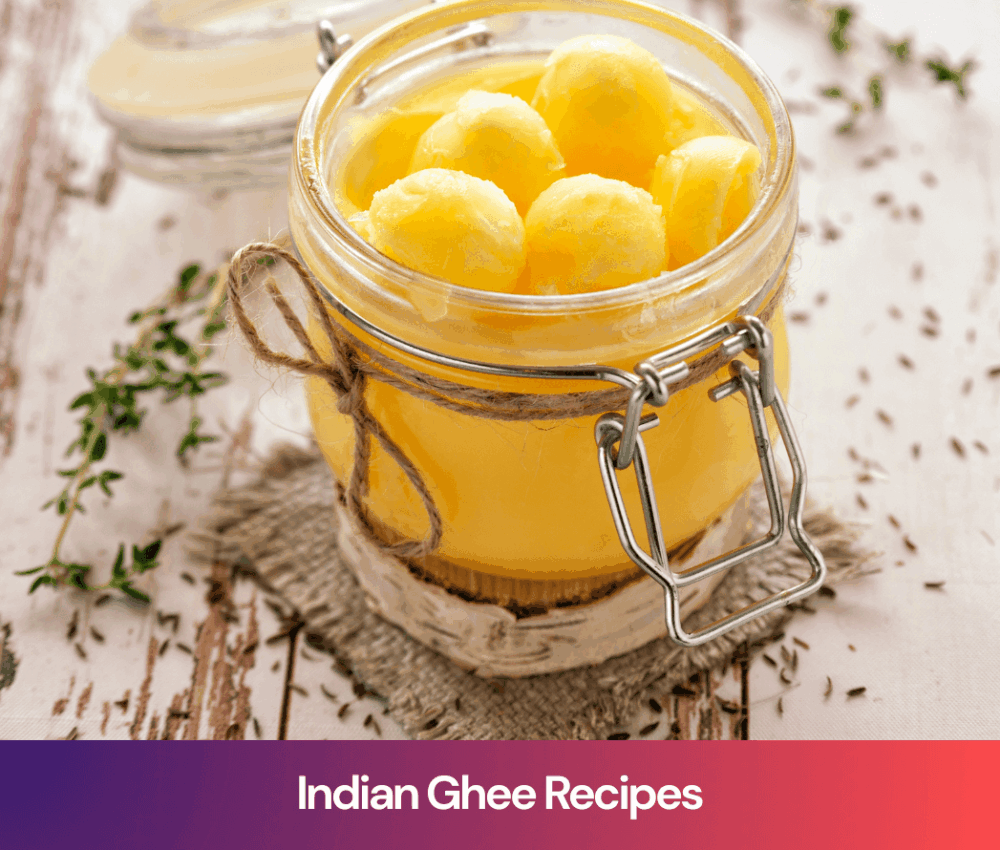
Indian Ghee Recipes: A Regional Journey Through Traditional Flavours
Indian Ghee Recipes explained through regional dishes. Discover how Murli amrit ...

Indian Ghee Recipes explained through regional dishes. Discover how Murli amrit ghee brings authentic flavour to traditional Indian cooking.
India doesn’t have one cuisine. It has hundreds. What quietly connects many of them is ghee.
From temple kitchens in the South to royal kitchens in the North, ghee has shaped how food tastes, smells, and feels. This blog explores regional Indian ghee-based dishes, showing how the same ingredient adapts across climates, grains, and cooking styles.
You’ll discover why ghee holds such an important place in Indian food culture, how different regions use it differently, and how choosing a quality option like Murli amrit ghee helps recreate authentic flavours at home.
Before oils became commercial products, ghee was the primary cooking fat across India. It wasn’t just tradition. It was practical.
Ghee stores well in warm climates, has a high smoke point, and enhances both simple and complex dishes.
A few numbers to put this into perspective:
Different regions didn’t just adopt ghee. They adapted it.
North Indian cooking is often associated with richness, and ghee plays a leading role.
In colder climates, ghee provided warmth, energy, and satiety. That’s why many North Indian dishes start or finish with it.
Popular North Indian ghee-based dishes include:
Here, ghee is used generously but intentionally. It rounds off spices, balances lentils, and gives gravies their signature depth.
Using Murli amrit ghee in these dishes helps maintain that traditional aroma without heaviness, especially for daily meals.
South Indian cooking uses ghee differently. It’s not always the main cooking fat, but it plays a crucial finishing role.
Ghee is often used in:
A key technique here is tempering. Ghee carries the aroma of curry leaves, mustard seeds, and cashews better than neutral oils.
According to culinary studies by IIT Madras, aroma contributes up to 70 percent of perceived taste. Ghee’s role in South Indian food is less about quantity and more about timing.
Western India, especially Gujarat and Rajasthan, has a unique relationship with ghee.
In arid regions like Rajasthan, ghee provided essential calories and preserved food. Dishes were designed to last and nourish.
Examples include:
In Gujarat, a small amount of ghee is often added at the end, enhancing sweetness and spice together. This balance is hard to achieve with refined oils.
Eastern India uses ghee sparingly but meaningfully.
In Bengal and Odisha, mustard oil dominates, but ghee steps in for specific dishes:
A case study from a Kolkata home kitchen showed that replacing refined oil with ghee in festive cooking reduced the need for extra spices while improving flavour depth.
This is where quality matters. Murli amrit ghee works well because it doesn’t overpower delicate ingredients.
One common concern is excess fat. Traditional cooking was about restraint.
Simple guidelines:
Ayurvedic nutrition guidelines suggest 1 to 2 teaspoons of ghee per meal is sufficient for most adults.
When used this way, ghee supports digestion and flavour without heaviness.
Regional Indian ghee-based dishes show how one ingredient can adapt across geography, climate, and culture.
From rich North Indian comfort food to aromatic South Indian tempering, ghee isn’t just fat. It’s a flavour language.
If you want to cook Indian food that feels authentic and balanced, start with understanding how ghee is used regionally and choose a reliable option like Murli amrit ghee to bring those traditions into your kitchen.
1. Are Indian ghee recipes suitable for everyday meals?
Yes, when cooked traditionally and in moderation, they are balanced and nourishing.
2. Does every Indian region use ghee the same way?
No. Each region uses ghee differently based on climate, ingredients, and cooking methods.
3. Can I replace oil completely with ghee?
Not always. Many regional dishes use a combination depending on flavour needs.
4. Is ghee only for rich or festive dishes?
No. Many everyday meals use small amounts of ghee for aroma and digestion.
5. Why choose Murli amrit ghee for regional cooking?
Its traditional preparation preserves flavour and works well across regional recipes.


