
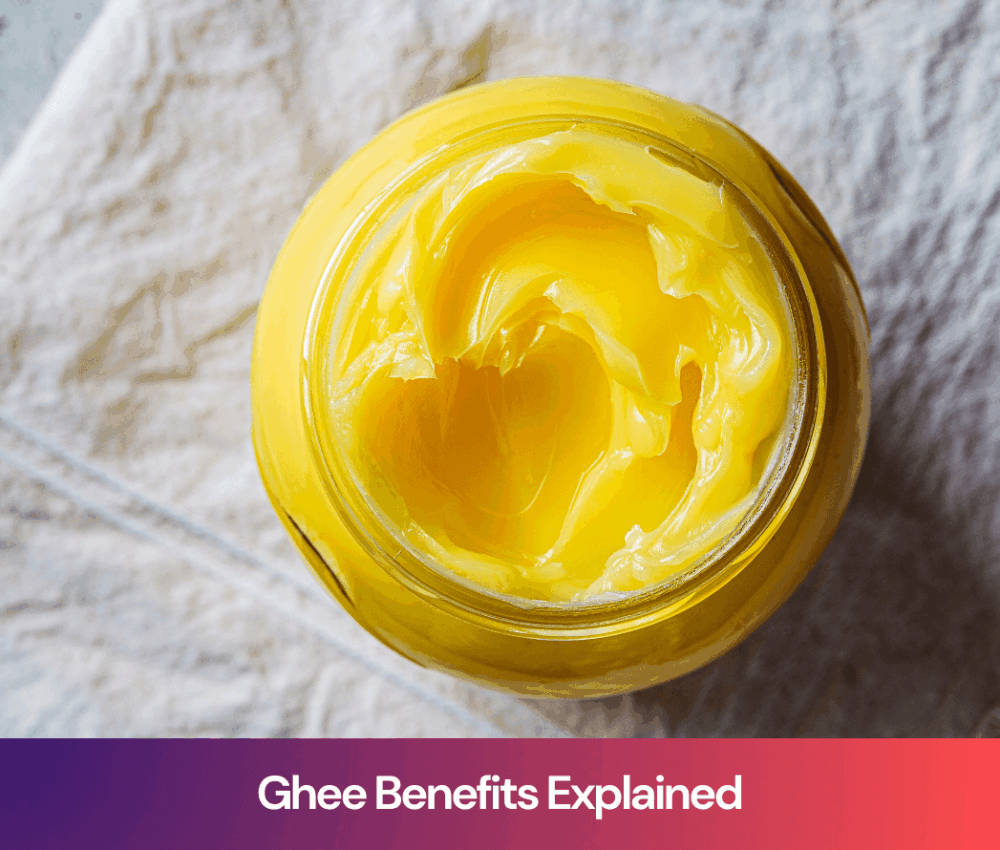
Ghee Benefits Explained: How Ghee Improves Taste Without Extra Spices
Discover ghee benefits and how ghee improves taste naturally without extra spices. Learn why Murli amrit ghee makes simple food flavorful.
Introduction: When Food Tastes Good Without Trying Too Hard
Here’s the thing most people don’t realize.
Great taste doesn’t always come from more spices. Sometimes, it comes from what carries those flavors.
If you’ve ever eaten plain rice with a spoon of ghee and felt satisfied, you already know this truth. Ghee has a unique ability to enhance taste without overpowering food. No heavy masalas. No complicated seasoning. Just depth, aroma, and balance.
In this blog, we’ll break down how ghee improves taste naturally, why it works even with simple ingredients, and how traditional options like Murli amrit ghee deliver these benefits better than modern cooking fats.
Why Ghee Enhances Flavor at a Fundamental Level
Taste isn’t just about spices. It’s about how flavors are released and perceived.
Ghee works as a flavor carrier. Many taste compounds dissolve better in fat. When you cook or finish food with ghee, it helps distribute flavor evenly across every bite.
A few facts worth knowing:
- Fats enhance the perception of aroma, which contributes up to 80% of what we experience as taste
- Ghee has a high smoke point (around 250°C), meaning it doesn’t burn easily or turn bitter
- Unlike refined oils, ghee has natural milk solids that add subtle sweetness and nuttiness
This is one of the most underrated ghee benefits. It makes food taste complete without extra effort.
How Ghee Reduces the Need for Extra Spices
Spices are powerful. But overusing them often masks the real taste of food.
When ghee is present:
- Vegetables retain their natural sweetness
- Grains taste fuller and richer
- Lentils feel rounder and smoother on the palate
This means you don’t need:
- Too much chilli for heat
- Extra salt for flavor
- Heavy garam masala to feel satisfied
In traditional Indian kitchens, ghee was often added at the end, not the beginning. This finishing touch locked in flavor and aroma without overwhelming the dish.
The Science Behind Ghee and Aroma
Let’s get a bit practical.
Aroma compounds are fat-soluble. When you heat spices or ingredients in ghee:
- Essential oils release more evenly
- Fragrance stays stable longer
- The final dish smells richer with fewer ingredients
Some data-backed points:
- Studies show fat-based cooking enhances aroma retention compared to water-based methods
- Ghee contains butyric acid, which contributes to a smooth mouthfeel
- Traditional fats improve palatability, reducing the need for excess seasoning
- Controlled fat intake improves meal satisfaction and reduces overeating
So yes, ghee isn’t just tradition. It’s chemistry.
Simple Foods That Taste Better With Just Ghee
You don’t need fancy recipes to notice the difference.
Foods where ghee alone does the job
- Plain rice or jeera rice
- Soft rotis or phulkas
- Dal or khichdi
- Steamed vegetables
- Curd rice
Add one teaspoon of ghee and stop there.
Many people are surprised how little spice they need once ghee is involved. This is especially noticeable when using Murli amrit ghee, which has a clean aroma and smooth finish.
A Real Kitchen Example: Less Spice, More Satisfaction
A small home experiment tells the story well.
A family switched from refined oil-based cooking to ghee-finished meals for two weeks. Same recipes. Same vegetables. Same quantities.
What changed:
- Reduced use of chilli and garam masala
- Fewer complaints of heaviness after meals
- Better appreciation of individual ingredients
- Food felt comforting without being bland
The only change was adding a small amount of ghee at the end. That’s it.
Why Quality Ghee Makes a Bigger Difference Than You Think
Not all ghee behaves the same way.
Low-quality or adulterated ghee:
- Smells flat or artificial
- Needs more quantity to feel flavorful
- Can leave a greasy aftertaste
High-quality traditional ghee:
- Has a naturally rich aroma
- Works in smaller amounts
- Enhances taste without coating the mouth
This is where Murli amrit ghee stands out. Its traditional preparation helps preserve the subtle flavor compounds that modern processing often removes.
When the quality is right, you automatically use less spice.
Common Misconceptions About Taste and Ghee
Let’s clear a few things up.
- Myth: Ghee makes food heavy
Truth: Overuse does. Proper portions don’t. - Myth: Strong spices equal better taste
Truth: Balance matters more than intensity. - Myth: Ghee hides bad cooking
Truth: It highlights good ingredients, not poor ones.
Understanding these points helps you cook smarter, not louder.
Conclusion: Let Ingredients Speak, Let Ghee Support
Taste doesn’t need to shout to be satisfying.
One of the most practical ghee benefits is its ability to improve flavor quietly. It supports aroma, enhances natural sweetness, and makes food feel complete without piling on spices.
If you want meals that are:
- Easier to digest
- Naturally flavorful
- Comforting without heaviness
Start with less spice and better fat.
Call to Action:
Try cooking one simple meal this week with minimal spices and finish it with a teaspoon of ghee. Notice the difference.
Frequently Asked Questions
1. How does ghee improve taste without spices?
Ghee enhances aroma and mouthfeel, allowing natural flavors to stand out.
2. Is ghee better than oil for flavor?
Yes. Ghee carries flavor better and doesn’t burn or turn bitter easily.
3. Can I reduce spices if I use ghee daily?
Most people naturally do, because food feels more complete.
4. Does the type of ghee matter for taste?
Absolutely. High-quality desi cow ghee gives better aroma and depth.
5. Is Murli amrit ghee suitable for everyday cooking?
Yes, especially when used in small, controlled quantities.


