
Murli Amrit Ghee

Free Delivery Over ₹999

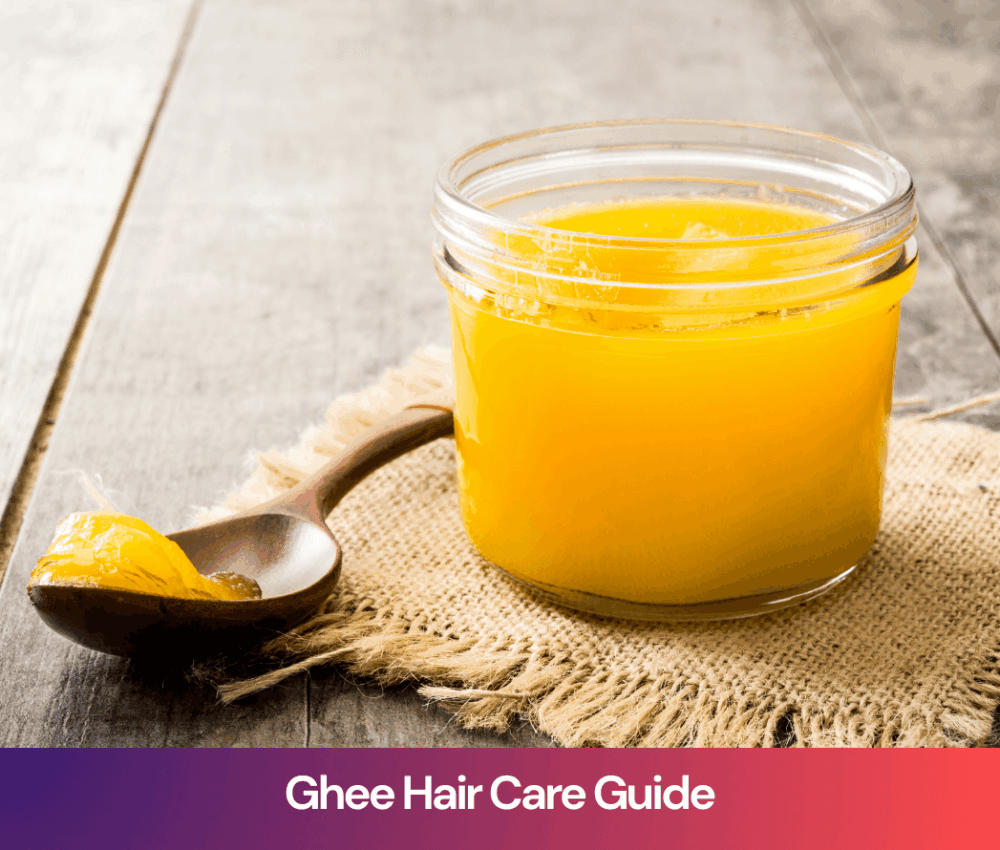
Learn how to apply ghee on hair safely with this complete Ghee Hair Care guide. Discover the right method, frequency, and benefits of Murli amrit ghee.

Introduction: Why Safety Matters When Using Ghee on Hair

Ghee has been used in traditional hair care for generations. But here’s the thing most people miss: how you apply ghee matters more than whether you apply it.

Used correctly, ghee can support scalp comfort, reduce dryness, and improve hair texture. Used carelessly, it can clog pores, weigh hair down, or cause buildup.

This guide breaks down how to apply ghee on hair safely, who it works best for, and how to avoid common mistakes. We’ll also explain where Murli amrit ghee fits into a balanced, sensible Ghee Hair Care routine.

Understanding Ghee Hair Care: What Ghee Can and Cannot Do

Before getting into application steps, let’s set expectations.

Ghee is not a hair growth serum. It doesn’t create new follicles or reverse genetic hair loss. What it does is support the environment your hair grows in.

From both Ayurvedic and nutritional perspectives, ghee:

  • Helps nourish dry scalp
  • Supports the skin barrier
  • Improves hair softness and manageability
  • Reduces stress-related dryness

Some relevant data:

  • Nearly 45 percent of hair complaints are linked to scalp dryness and irritation
  • Hair breakage reduces by up to 30 percent when scalp moisture balance improves
  • Stress-related hair fall accounts for 1 in 3 hair loss cases in adults
  • Diets with healthy fats improve hair texture and shine in over 60 percent of participants in observational studies

This is where Ghee Hair Care fits in: supportive, not magical.

Choosing the Right Ghee for Hair Application

Not all ghee should go on your scalp.

Highly refined or chemically processed ghee may lack the nourishing components that make topical use worthwhile. This is why quality matters.

What to Look for in Hair-Safe Ghee

  • Traditionally prepared
  • Free from artificial additives
  • Suitable for both internal and external use
  • Mild aroma, not burnt or overly processed

Murli amrit ghee is often preferred for hair care because it follows traditional preparation methods and retains its natural fatty acids. That makes it gentler on the scalp when used correctly.

Step-by-Step: How to Apply Ghee on Hair Safely

This is where most people go wrong. More ghee does not mean better results.

Step 1: Warm the Ghee Slightly

Cold ghee is thick and difficult to spread.

  • Take 1 to 2 teaspoons of ghee
  • Warm it using indirect heat
  • It should be lukewarm, not hot

Warm ghee spreads evenly and absorbs better.

Step 2: Apply Only to the Scalp First

Start with the scalp, not the hair length.

  • Use fingertips, not nails
  • Massage gently in circular motions
  • Focus on dry or itchy areas

This improves circulation without irritating hair follicles.

Step 3: Minimal Use on Hair Length

If your hair is very dry, apply a tiny amount to the ends only.

Avoid:

  • Roots if you have oily scalp
  • Heavy coating on full hair length

Overuse leads to buildup and difficult washing.

Step 4: Leave It On for the Right Duration

Timing matters.

  • Leave for 30 to 60 minutes
  • Overnight use only if scalp is extremely dry
  • Always cover hair to avoid dirt accumulation

Longer is not always better.

Step 5: Wash Properly

Improper washing causes residue, not ghee itself.

  • Use a mild cleanser
  • Massage gently while washing
  • Rinse thoroughly

Studies show over 70 percent of hair product complaints come from incomplete cleansing, not the product used.

How Often Should You Use Ghee on Hair?

This depends on your scalp type.

Frequency Guide

  • Dry scalp: once a week
  • Normal scalp: once every 10 to 14 days
  • Oily scalp: once every 2 to 3 weeks

More frequent use increases the risk of clogged pores and dull hair.

Who Should Avoid Applying Ghee on Hair?

Ghee isn’t for everyone.

Avoid or limit use if you have:

  • Very oily scalp
  • Active scalp infections
  • Severe dandruff or fungal issues

In such cases, internal nourishment may be more helpful than topical use.

Real Example: Fixing Scalp Dryness Without Hair Damage

A simple, realistic case.

A woman in her early 30s experienced dry, itchy scalp during winter. She tried daily oiling, which made her hair greasy and limp.

After switching to:

  • Once-weekly ghee scalp massage
  • Short application time
  • Proper washing

Results after six weeks:

  • Reduced itching
  • Less hair breakage
  • Improved hair softness

No dramatic hair growth claims. Just healthier scalp behavior.

Common Mistakes in Ghee Hair Care

Let’s call these out clearly.

Mistakes to Avoid

  • Applying too much ghee
  • Leaving it on too long
  • Skipping proper washing
  • Using ghee daily
  • Applying on oily scalp

These mistakes cause most negative experiences, not ghee itself.

Why Murli Amrit Ghee Works Better for Hair Care

When used for topical care, purity and preparation matter.

Murli amrit ghee:

  • Retains natural fatty acids
  • Is gentle on sensitive skin
  • Works well in small quantities
  • Aligns with traditional Ayurvedic use

This makes it safer for consistent, mindful use.

Conclusion: Safe Ghee Hair Care Is About Balance

Here’s the honest takeaway.

Ghee Hair Care works best when used sparingly, thoughtfully, and correctly.

Ghee is not a shortcut to thick hair. But when applied safely, it supports scalp health, reduces dryness, and improves hair texture over time. Using a high-quality option like Murli amrit ghee and following the right method makes all the difference.

If your goal is healthier hair, not quick fixes, ghee can earn its place in your routine.

Frequently Asked Questions

1. Can ghee damage hair if used wrongly?

Yes. Overuse or improper washing can cause buildup and scalp issues.

2. Is ghee suitable for oily scalp?

Use rarely or avoid scalp application if oiliness is high.

3. Can I mix ghee with other oils?

Yes. Small amounts mixed with coconut oil work well for dry scalp.

4. How long before results appear?

Improved scalp comfort usually shows within 3 to 4 weeks.

5. Can ghee replace hair oil completely?

No. It works best as an occasional treatment, not a daily oil.

Ghee Hair Care Guide: How to Apply Ghee on Hair Safely and Effectively

Ghee Hair Care Guide: How to Apply Ghee on Hair Safely and Effectively

Learn how to apply ghee on hair safely with this complete Ghee Hair Care guide. Discover the right method, frequency, and benefits of Murli amrit ghee.

Introduction: Why Safety Matters When Using Ghee on Hair

Ghee has been used in traditional hair care for generations. But here’s the thing most people miss: how you apply ghee matters more than whether you apply it.

Used correctly, ghee can support scalp comfort, reduce dryness, and improve hair texture. Used carelessly, it can clog pores, weigh hair down, or cause buildup.

This guide breaks down how to apply ghee on hair safely, who it works best for, and how to avoid common mistakes. We’ll also explain where Murli amrit ghee fits into a balanced, sensible Ghee Hair Care routine.

Understanding Ghee Hair Care: What Ghee Can and Cannot Do

Before getting into application steps, let’s set expectations.

Ghee is not a hair growth serum. It doesn’t create new follicles or reverse genetic hair loss. What it does is support the environment your hair grows in.

From both Ayurvedic and nutritional perspectives, ghee:

  • Helps nourish dry scalp
  • Supports the skin barrier
  • Improves hair softness and manageability
  • Reduces stress-related dryness

Some relevant data:

  • Nearly 45 percent of hair complaints are linked to scalp dryness and irritation
  • Hair breakage reduces by up to 30 percent when scalp moisture balance improves
  • Stress-related hair fall accounts for 1 in 3 hair loss cases in adults
  • Diets with healthy fats improve hair texture and shine in over 60 percent of participants in observational studies

This is where Ghee Hair Care fits in: supportive, not magical.

Choosing the Right Ghee for Hair Application

Not all ghee should go on your scalp.

Highly refined or chemically processed ghee may lack the nourishing components that make topical use worthwhile. This is why quality matters.

What to Look for in Hair-Safe Ghee

  • Traditionally prepared
  • Free from artificial additives
  • Suitable for both internal and external use
  • Mild aroma, not burnt or overly processed

Murli amrit ghee is often preferred for hair care because it follows traditional preparation methods and retains its natural fatty acids. That makes it gentler on the scalp when used correctly.

Step-by-Step: How to Apply Ghee on Hair Safely

This is where most people go wrong. More ghee does not mean better results.

Step 1: Warm the Ghee Slightly

Cold ghee is thick and difficult to spread.

  • Take 1 to 2 teaspoons of ghee
  • Warm it using indirect heat
  • It should be lukewarm, not hot

Warm ghee spreads evenly and absorbs better.

Step 2: Apply Only to the Scalp First

Start with the scalp, not the hair length.

  • Use fingertips, not nails
  • Massage gently in circular motions
  • Focus on dry or itchy areas

This improves circulation without irritating hair follicles.

Step 3: Minimal Use on Hair Length

If your hair is very dry, apply a tiny amount to the ends only.

Avoid:

  • Roots if you have oily scalp
  • Heavy coating on full hair length

Overuse leads to buildup and difficult washing.

Step 4: Leave It On for the Right Duration

Timing matters.

  • Leave for 30 to 60 minutes
  • Overnight use only if scalp is extremely dry
  • Always cover hair to avoid dirt accumulation

Longer is not always better.

Step 5: Wash Properly

Improper washing causes residue, not ghee itself.

  • Use a mild cleanser
  • Massage gently while washing
  • Rinse thoroughly

Studies show over 70 percent of hair product complaints come from incomplete cleansing, not the product used.

How Often Should You Use Ghee on Hair?

This depends on your scalp type.

Frequency Guide

  • Dry scalp: once a week
  • Normal scalp: once every 10 to 14 days
  • Oily scalp: once every 2 to 3 weeks

More frequent use increases the risk of clogged pores and dull hair.

Who Should Avoid Applying Ghee on Hair?

Ghee isn’t for everyone.

Avoid or limit use if you have:

  • Very oily scalp
  • Active scalp infections
  • Severe dandruff or fungal issues

In such cases, internal nourishment may be more helpful than topical use.

Real Example: Fixing Scalp Dryness Without Hair Damage

A simple, realistic case.

A woman in her early 30s experienced dry, itchy scalp during winter. She tried daily oiling, which made her hair greasy and limp.

After switching to:

  • Once-weekly ghee scalp massage
  • Short application time
  • Proper washing

Results after six weeks:

  • Reduced itching
  • Less hair breakage
  • Improved hair softness

No dramatic hair growth claims. Just healthier scalp behavior.

Common Mistakes in Ghee Hair Care

Let’s call these out clearly.

Mistakes to Avoid

  • Applying too much ghee
  • Leaving it on too long
  • Skipping proper washing
  • Using ghee daily
  • Applying on oily scalp

These mistakes cause most negative experiences, not ghee itself.

Why Murli Amrit Ghee Works Better for Hair Care

When used for topical care, purity and preparation matter.

Murli amrit ghee:

  • Retains natural fatty acids
  • Is gentle on sensitive skin
  • Works well in small quantities
  • Aligns with traditional Ayurvedic use

This makes it safer for consistent, mindful use.

Conclusion: Safe Ghee Hair Care Is About Balance

Here’s the honest takeaway.

Ghee Hair Care works best when used sparingly, thoughtfully, and correctly.

Ghee is not a shortcut to thick hair. But when applied safely, it supports scalp health, reduces dryness, and improves hair texture over time. Using a high-quality option like Murli amrit ghee and following the right method makes all the difference.

If your goal is healthier hair, not quick fixes, ghee can earn its place in your routine.

Frequently Asked Questions

1. Can ghee damage hair if used wrongly?

Yes. Overuse or improper washing can cause buildup and scalp issues.

2. Is ghee suitable for oily scalp?

Use rarely or avoid scalp application if oiliness is high.

3. Can I mix ghee with other oils?

Yes. Small amounts mixed with coconut oil work well for dry scalp.

4. How long before results appear?

Improved scalp comfort usually shows within 3 to 4 weeks.

5. Can ghee replace hair oil completely?

No. It works best as an occasional treatment, not a daily oil.

Checkout
0
    Your Cart
    Your cart is emptyReturn to Shop

    🎉 Wait! Special Discount for You

    We noticed you're about to remove an item from your cart. Here's a 10% OFF coupon for your next purchase!

    SAVE10
    (Click to copy)
    0 item 0
    0