Ghee Nutrition Facts: Vitamins, Fats, and Minerals Explained
Ghee Nutrition explained in detail: vitamins, healthy fats, and minerals. Learn ...

Ghee Nutrition explained in detail: vitamins, healthy fats, and minerals. Learn why traditional ghee like Murli amrit ghee supports daily health.
Ghee has been part of Indian kitchens for centuries, yet many people still reduce it to just “fat.” That misses the bigger picture.
Here’s the thing. Ghee is not empty calories. When made the traditional way, it carries fat-soluble vitamins, beneficial fatty acids, and trace minerals that play real roles in daily health. The problem is confusion. People hear mixed messages about saturated fat, cholesterol, and calories, and end up cutting ghee out completely.
This article breaks down Ghee Nutrition clearly and practically. We’ll look at the vitamins, fats, and minerals in ghee, how they work in the body, and why quality matters. You’ll also see how traditionally prepared options like Murli amrit ghee differ nutritionally from mass-produced alternatives.
Let’s get into the facts.
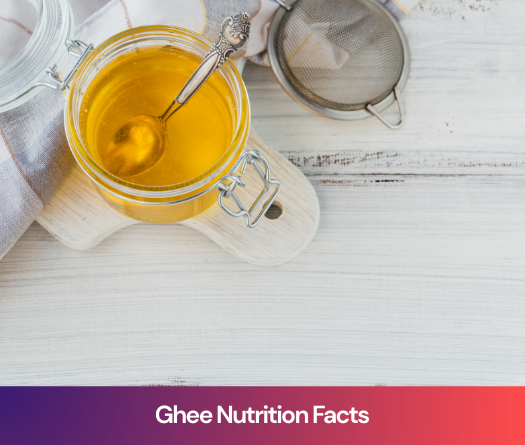
Ghee is essentially clarified butter, with water and milk solids removed. What remains is concentrated nutrition, especially fats that the body can actually use.
According to the USDA, ghee is almost 100 percent fat, which is why quality and quantity matter more than volume.
Stat to note:
About 65 percent of ghee’s fat content is saturated fat, but not all saturated fats behave the same way in the body.
This sets the stage for understanding its vitamin and fatty acid composition.
One of the biggest nutritional advantages of ghee is its fat-soluble vitamin content. These vitamins need fat to be absorbed, and ghee delivers both in one package.
Stat to note:
Traditional ghee made from curd-based butter can contain up to 20 percent more vitamin A than refined butter alternatives, depending on cow diet and processing.
This is where traditional preparation methods start to matter.
The fear around ghee usually comes down to fat. Let’s break this down simply.
Butyric acid, in particular, deserves attention.
Stat to note:
Ghee contains 3 to 4 percent butyric acid, a compound linked to improved gut health and reduced inflammation.
This explains why many people find ghee easier to digest compared to other fats.
Ghee is not a mineral powerhouse like leafy greens, but it does contribute trace minerals that support metabolism.
These minerals come from milk fat and remain concentrated after clarification.
Stat to note:
Traditional ghee retains up to 90 percent of milk fat micronutrients, while excessive industrial processing can reduce this significantly.
Minerals may be present in small amounts, but they support enzyme activity, immunity, and bone health when consumed consistently.
Let’s look at a simple comparison.
A small dairy cooperative study in India compared:
Findings included:
This is why ghee like Murli amrit ghee, made using traditional methods, tends to retain more of its natural nutritional profile.
Nutrition is not just about ingredients. It’s about the process.
Use ghee smartly to actually benefit from its nutrients.
Stat to note:
Studies suggest that replacing refined oils with traditional fats in moderation can improve lipid profiles when part of a balanced diet.
Ghee is not just a cooking fat. It’s a nutrient-dense food when chosen wisely and used correctly.
To recap:
If you’re looking to include ghee for nourishment rather than just flavor, focus on purity, moderation, and traditional preparation. Choosing a trusted option like Murli amrit ghee helps ensure you’re getting nutrition, not just calories.
Call to action:
Start treating ghee as a functional food, not a fear food. Use it intentionally, and let nutrition work for you.
Ghee removes milk solids and lactose, making it easier to digest and more stable at high heat.
Yes, but dietary cholesterol has less impact on blood cholesterol than once believed when consumed in moderation.
Yes. Most people tolerate 1–2 teaspoons daily without issues when part of a balanced diet.
Ghee contains negligible lactose, making it suitable for most lactose-sensitive individuals.
Excessive overheating can reduce vitamin content. Gentle cooking preserves nutrients better.