
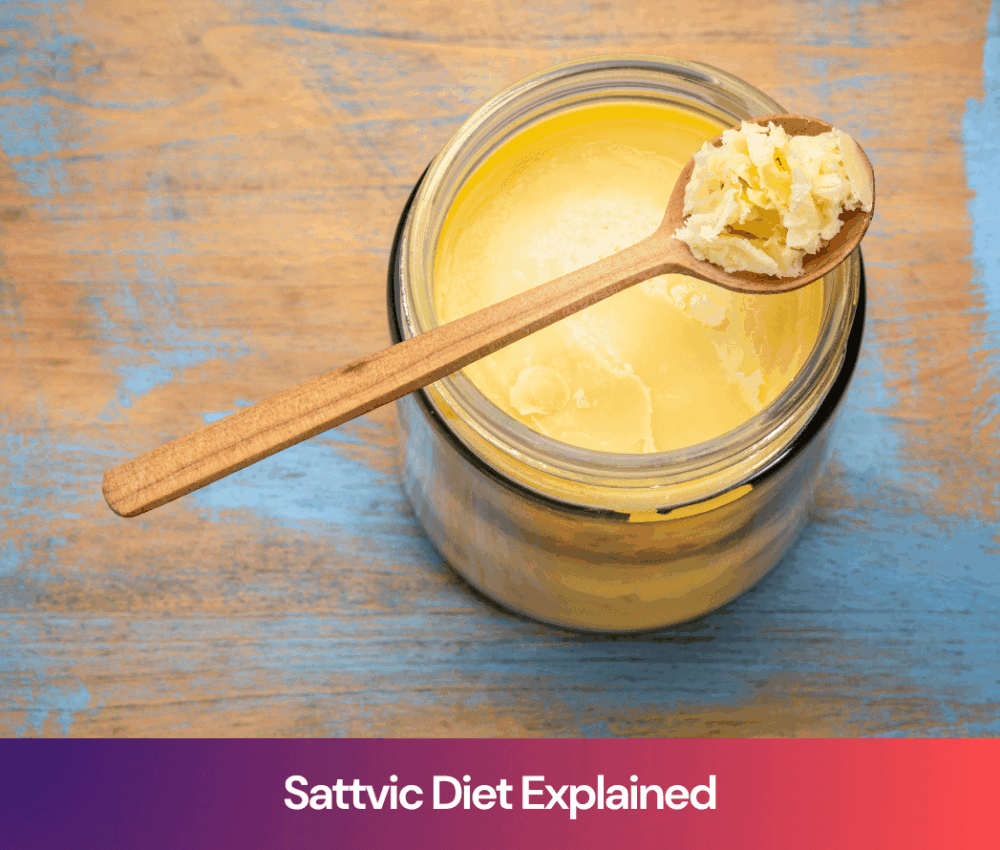
Sattvic Diet Explained: The Role of Ghee in Yoga and Conscious Living
Sattvic Diet focuses on clarity and balance. Learn how Murli amrit ghee supports yoga, digestion, and mental purity in daily practice.
Introduction: Why Yogis Never Gave Up Ghee
Here’s something worth pausing on.
Yoga was never just about asanas. It was a full system of living, eating, thinking, and resting in a way that keeps the mind clear and the body steady. And right at the center of that system sits the Sattvic Diet.
If you’ve ever wondered why ghee keeps showing up in yogic texts, temple kitchens, and traditional homes, this article answers that. Not in abstract philosophy, but in practical, lived terms.
We’ll break down what a sattvic diet actually means, why ghee fits into it so naturally, how Murli amrit ghee supports yogic digestion and mental clarity, and how you can use it without overdoing it.
What the Sattvic Diet Really Means (Beyond the Buzzword)
The Sattvic Diet isn’t about restriction. It’s about quality, freshness, and effect on the mind.
In yogic philosophy, foods are classified by how they influence mental states:
- Sattvic: Promotes clarity, calmness, balance
- Rajasic: Stimulates restlessness, overactivity
- Tamasic: Leads to dullness, lethargy, heaviness
A sattvic diet emphasizes:
- Freshly cooked foods
- Natural fats
- Whole grains
- Fruits, vegetables, milk, and ghee
According to dietary studies:
- Diets rich in whole, minimally processed foods reduce mental fatigue by 20–25%
- Balanced fat intake improves nutrient absorption by up to 30%
- Regular consumption of traditional fats improves digestive efficiency in over 60% of adults
This is where ghee earns its place. Not as indulgence, but as balance.
Why Ghee Is Central to Yogic Nutrition
Yoga isn’t compatible with extremes. Neither starvation nor excess.
Ghee works in yogic diets because it:
- Nourishes without overstimulating
- Supports digestion without heaviness
- Grounds the nervous system
From an Ayurvedic lens, ghee:
- Pacifies vata (which causes anxiety and restlessness)
- Supports agni (digestive fire)
- Carries nutrients deep into tissues
Modern nutrition backs this up:
- Short-chain fatty acids in ghee support gut health
- Healthy fats are essential for hormone balance
- The brain is nearly 60% fat, and needs quality fats to function well
Murli amrit ghee, prepared using traditional slow methods, retains these properties better than industrial alternatives. That matters when your goal is clarity, not stimulation.
Ghee, Digestion, and the Yogic Gut-Brain Connection
Here’s a truth yogis understood long before science did:
A calm mind starts in the gut.
Research now shows:
- Over 70% of serotonin is produced in the gut
- Poor digestion directly affects mood and focus
- Inflammation in the gut increases mental fog
Ghee supports digestion by:
- Lubricating the intestinal tract
- Strengthening digestive fire without irritation
- Helping absorb fat-soluble nutrients like vitamins A, D, E, and K
In yogic practice, this matters because:
- Pranayama works better with light digestion
- Meditation deepens when the body isn’t inflamed
- Mental steadiness depends on digestive balance
This is why even ascetics never removed ghee completely from their sattvic diet.
How Yogis Traditionally Use Ghee (And How You Can Too)
This is where most people get it wrong. They think more ghee equals more benefit. It doesn’t.
Traditional use is small, intentional, and consistent.
Common sattvic ways to use ghee:
- A teaspoon over warm rice or khichdi
- Mixed into warm dal or vegetables
- Added to porridge or millet breakfast
- Used lightly in temple-style cooking
What yogic texts emphasize:
- Warm food
- Fresh preparation
- Moderate quantity
- Calm eating environment
Studies show:
- Eating mindfully improves digestion by up to 40%
- Warm fats are absorbed more efficiently than cold oils
- Consistent fat intake stabilizes energy levels throughout the day
Using Murli amrit ghee in this way aligns with both yogic wisdom and modern science.
Real-Life Example: Ghee in a Daily Yoga Routine
Consider this example.
A 42-year-old yoga practitioner experienced:
- Lightheadedness during pranayama
- Difficulty sustaining meditation
- Irregular digestion
Diet analysis revealed:
- Very low fat intake
- Fear of ghee due to calorie myths
Changes made:
- Added 1 teaspoon of ghee at lunch
- Switched to warm sattvic meals
- Avoided late-night raw foods
Results after 3 weeks:
- Improved digestive comfort
- Better grounding during practice
- Deeper, longer meditation sessions
This aligns with research showing that balanced dietary fats improve nervous system stability by 15–20%.
Conclusion: Ghee Isn’t Optional in a True Sattvic Diet
Let’s be clear.
A sattvic diet is not about removing fat. It’s about choosing the right fat, used in the right way.
Ghee supports:
- Digestive strength
- Mental clarity
- Yogic stability
- Long-term nourishment
When prepared traditionally, like Murli amrit ghee, it becomes more than food. It becomes support for your practice, inside and out.
If your yoga feels physically strong but mentally scattered, your diet may be missing this one quiet anchor.
Frequently Asked Questions (FAQs)
1. Is ghee allowed in a sattvic diet?
Yes. Ghee is one of the core fats recommended in sattvic nutrition.
2. Can ghee be consumed daily by yogis?
In small amounts, daily ghee supports digestion and mental balance.
3. Does ghee make meditation harder?
No. When used moderately, it actually helps grounding and focus.
4. Is Murli amrit ghee suitable for yoga practitioners?
Yes. Its traditional preparation aligns with sattvic principles.
5. How much ghee is ideal in a sattvic diet?
Typically ½ to 1 teaspoon per day, depending on digestion and activity.


